¿De qué están hechos los clips para bastones de trekking? Comparación de componentes de aluminio, acero inoxidable y polímero.
2026-03-19
Cuando los excursionistas evalúan bastones de trekking, suelen centrarse en los materiales del mango (fibra de carbono frente a aluminio) o en la comodidad del agarre. Sin embargo, los verdaderos héroes anónimos de cualquier bastón de trekking son los pequeños pero cruciales componentes que permiten el ajuste: los clips, las palancas, los resortes y los mecanismos de bloqueo. Estas piezas, aparentemente insignificantes, determinan si los bastones se mantienen extendidos de forma segura en un descenso pronunciado o si se pliegan inesperadamente en el peor momento.
Comprender de qué están hechos estos componentes y cómo la selección de materiales afecta el rendimiento puede transformar su experiencia con los bastones de trekking. Esta guía completa examina las tres categorías principales de materiales utilizados en
Accesorios para bastones de trekking
: aleaciones de aluminio, acero inoxidable y polímeros de ingeniería, que le ayudarán a tomar decisiones informadas para sus necesidades específicas de senderismo.
El papel fundamental de los componentes de bloqueo
Antes de analizar los materiales, es fundamental comprender la función de estos componentes. Los mecanismos de bloqueo de los bastones de trekking deben soportar miles de ciclos de compresión y liberación, resistir la corrosión causada por el sudor y la lluvia, mantener el agarre bajo cargas significativas y funcionar sin problemas en temperaturas extremas.
.
Los mecanismos más comunes incluyen:
cerraduras de perno de resorte
: Pasadores metálicos con resorte que se acoplan a orificios previamente perforados
Cierres de abrazadera/leva
: Mecanismos accionados por palanca que comprimen alrededor de las secciones del poste
cierres de torsión
: Collares roscados con componentes internos de expansión
Cerraduras con pulsador
: Botones con resorte que se fijan en los orificios de ajuste
Cada mecanismo depende de propiedades específicas del material para funcionar de manera fiable.
Analicemos cómo el aluminio, el acero inoxidable y los polímeros contribuyen a estos componentes críticos.
Componentes de aleación de aluminio: piezas ligeras y resistentes.
Las aleaciones de aluminio predominan en los componentes de los bastones de trekking, especialmente en las palancas, los mecanismos de leva y los sistemas de ajuste. Sin embargo, no todo el aluminio es igual.
Tipos de aleación y sus aplicaciones
El aluminio utilizado en los componentes de los bastones de trekking generalmente se divide en dos categorías:
Aluminio 6061
Esta aleación de resistencia media ofrece una excelente resistencia a la corrosión y buena maquinabilidad. Se encuentra comúnmente en componentes de bastones de gama básica a media, especialmente en cuerpos de palancas y carcasas de abrazaderas.
Gracias a su buena soldabilidad y conformabilidad, el acero 6061 permite a los fabricantes crear formas complejas manteniendo la integridad estructural.
Aluminio 7075
A menudo denominada aluminio de "grado aeronáutico", esta aleación incorpora zinc como elemento de aleación principal, lo que proporciona una excepcional relación resistencia-peso.
Los componentes de 7075 tratados térmicamente pueden alcanzar resistencias a la tracción similares a las del acero dulce, siendo a la vez significativamente más ligeros. Los fabricantes de postes de alta gama utilizan 7075 para componentes críticos que soportan cargas, como palancas de leva y mecanismos de bloqueo.
.
Ventajas de los componentes de aluminio
Ligero
La baja densidad del aluminio mantiene el peso total del poste bajo control, pesando normalmente un tercio menos que componentes de acero equivalentes.
Resistencia a la corrosión
La formación natural de óxidos protege contra la degradación causada por el sudor y la humedad.
Rentable
Más asequible que el acero inoxidable para formas complejas.
Buena resistencia a la fatiga
Los componentes de aluminio diseñados correctamente soportan ciclos repetidos sin fallar.
Limitaciones
La principal debilidad del aluminio es su menor dureza en comparación con el acero, lo que lo hace más susceptible al desgaste en aplicaciones de alta fricción.
Componentes como los pasadores de pivote y las superficies de desgaste pueden requerir refuerzos de acero o casquillos para lograr una durabilidad aceptable.
Aplicaciones comunes
El aluminio aparece en:
Cuerpos de palanca para mecanismos de sujeción externos
Componentes de leva en sistemas de cierre rápido
Collares de ajuste
Carcasas de pulsadores
Herrajes de conexión para diseños de postes plegables
Componentes de acero inoxidable: Los especialistas en durabilidad
Cuando los diseñadores de bastones de trekking necesitan máxima resistencia, durabilidad o un excelente rendimiento de resorte, recurren al acero inoxidable. Esta familia de materiales abarca numerosas aleaciones, cada una optimizada para aplicaciones específicas.
Tipos de acero inoxidable en bastones de trekking
Acero inoxidable serie 300 (18-8)
La aleación de acero inoxidable más común, que contiene aproximadamente un 18 % de cromo y un 8 % de níquel. Este acero no magnético ofrece una excelente resistencia a la corrosión y buena conformabilidad, lo que lo hace ideal para resortes, pasadores y pequeños herrajes.
.
Acero inoxidable serie 400
Las aleaciones martensíticas como la 410 y la 420 ofrecen mayor dureza tras el tratamiento térmico, aunque con una resistencia a la corrosión ligeramente inferior. Estas aleaciones se utilizan en pasadores de pivote, dientes de bloqueo y superficies de desgaste que requieren una durabilidad excepcional.
Aplicaciones críticas
Ballestas
Tanto los mecanismos de cerrojo de resorte como los resortes en las cerraduras de botón pulsador requieren materiales con alta resistencia a la fluencia y excelente vida útil a la fatiga. El alambre de resorte de acero inoxidable, generalmente aleaciones 302 o 304, proporciona la elasticidad necesaria a la vez que resiste la deformación permanente.
.
Pasadores de pivote y ejes
En cualquier punto donde giren las palancas, los pasadores de acero inoxidable proporcionan la dureza necesaria para evitar el desgaste y la elongación de los orificios de pivote.
Dientes de bloqueo y superficies de acoplamiento
Las superficies que impiden el deslizamiento del poste suelen incorporar inserciones de acero inoxidable o componentes endurecidos, lo que garantiza un agarre seguro bajo carga.
.
Ventajas del acero inoxidable
Durabilidad excepcional
: Resiste años de uso sin desgaste significativo
Alta resistencia
: Soporta mayores cargas que el aluminio en secciones transversales más pequeñas.
Propiedades de primavera
Mantiene la elasticidad indefinidamente bajo un diseño adecuado.
Resistencia a la corrosión
: Esencial para componentes expuestos al sudor y la lluvia.
Limitaciones
El principal inconveniente del acero inoxidable es su peso: es aproximadamente tres veces más denso que el aluminio. Los diseñadores deben equilibrar cuidadosamente la necesidad de las propiedades del acero con la penalización de peso, limitando a menudo el uso del acero a los componentes más pequeños posibles donde sus características son esenciales.
.
Componentes poliméricos: Plásticos de ingeniería en los países polacos modernos
El papel de los polímeros en los componentes de los bastones de trekking se ha expandido drásticamente gracias al avance de los plásticos de ingeniería. Los bastones de senderismo modernos incorporan sofisticados componentes de polímero que habrían sido impensables hace décadas.
Tipos de polímeros de ingeniería
Nylon reforzado con fibra de vidrio
Al incorporar fibras de vidrio a la resina de nailon, los fabricantes crean materiales con una resistencia y rigidez excepcionales. Este material se utiliza en cuerpos de palancas, collares de ajuste y componentes internos donde se requiere un rendimiento similar al del metal con un peso menor.
.
Acetal (Delrin/POM)
Este plástico de ingeniería ofrece una excelente estabilidad dimensional, baja fricción y buena resistencia al desgaste. Los componentes de acetal se encuentran en bujes, bloques deslizantes y mecanismos internos donde el funcionamiento suave es fundamental.
Policarbonato
Utilizado principalmente en componentes transparentes o resistentes a los impactos, el policarbonato ofrece resistencia y buen aspecto a las piezas visibles.
Elastómeros termoplásticos (TPE)
Los revestimientos y componentes de agarre de tacto suave utilizan TPE para mayor comodidad y un manejo seguro.
.
Aplicaciones críticas
Expansores internos
Los mecanismos de bloqueo por giro se basan en expansores de plástico que se comprimen contra las paredes del tubo interior al apretarse. Estos componentes deben mantener la estabilidad dimensional a la vez que proporcionan una fricción constante.
.
Casquillos y guías
En las zonas donde los componentes metálicos se deslizan entre sí, los casquillos de polímero reducen la fricción y evitan el desgaste por fricción.
Cuerpos de palanca
Muchos diseños modernos de cierres de palanca utilizan cuerpos de palanca de nailon reforzado con fibra de vidrio que combinan resistencia con ahorro de peso.
.
Tapas y cubiertas para botones
Las partes visibles de los mecanismos de pulsadores suelen utilizar polímeros moldeados por motivos estéticos y de resistencia a la intemperie.
Ventajas de los componentes poliméricos
Ahorro de peso
Significativamente más ligero que las alternativas metálicas.
Resistente a la corrosión
: No se ve afectado por la humedad, el sudor o la sal.
Libertad de diseño
: Posibilidad de crear formas complejas sin necesidad de mecanizado costoso.
Rentable
El moldeo por inyección permite una producción en masa asequible.
Amortiguación de vibraciones
Los polímeros absorben energía de forma natural, reduciendo el ruido del mecanismo.
Limitaciones
Los polímeros tienen menor resistencia y rigidez que los metales, por lo que requieren secciones transversales más gruesas para una capacidad de carga equivalente. Las temperaturas extremas pueden afectar su rendimiento: algunos plásticos se vuelven quebradizos con el frío o blandos con el calor.
La exposición a los rayos UV puede degradar ciertos polímeros con el tiempo, aunque las formulaciones para exteriores resisten bien este efecto.
Cómo se combinan los materiales en los mecanismos de bloqueo
Comprender los materiales individualmente es útil, pero los bastones de trekking reales demuestran cómo estos materiales funcionan juntos en diseños integrados.
Mecanismos de palanca externa (bloqueo por presión)
Los diseños de cierre rápido de alta gama suelen combinar:
cuerpo de palanca
Aleación de aluminio o nailon reforzado con fibra de vidrio para mayor resistencia y ligereza.
Superficie de leva
: Inserto de acero inoxidable endurecido para resistencia al desgaste
Pasador de pivote
Acero inoxidable para mayor durabilidad
Banda de sujeción
Acero inoxidable o aluminio, según el diseño.
Tornillo de ajuste
Acero inoxidable para resistencia a la corrosión y ajuste preciso.
Mecanismos de cierre giratorio
Los cierres giratorios incorporan:
Collar roscado
: Aluminio o polímero
Expansor interno
Plástico de ingeniería (normalmente acetal o nailon)
Anillos de compresión
: Polímero o latón, según el diseño.
Cuñas de bloqueo
: A veces reforzado con inserciones metálicas
Cerraduras de perno de resorte
Estos mecanismos más sencillos presentan las siguientes características:
Primavera
Alambre de acero inoxidable
Perno/pasador
Acero inoxidable endurecido
Alojamiento
: Aluminio o polímero
Botón
Polímero para mayor comodidad
Mecanismos de pulsación
Los pulsadores del poste plegable incluyen:
Cuerpo del botón
: Polímero para un funcionamiento sencillo
Primavera
Acero inoxidable
Mecanismo de cierre
Acero inoxidable o aluminio endurecido
Componentes de retención
: Diversos materiales según el diseño
Selección de materiales según la prioridad de rendimiento
Los distintos estilos y condiciones de senderismo exigen diferentes prioridades en cuanto a los materiales. A continuación, se explica cómo la selección de materiales se ajusta a las necesidades del usuario:
Para una máxima durabilidad
Los excursionistas que se enfrenten a terrenos técnicos o realicen expediciones prolongadas deben priorizar los componentes que tengan:
Muelles y pasadores de pivote de acero inoxidable
Superficies de desgaste de acero endurecido
Cuerpos de palanca de aluminio (evitando el uso de polímeros en zonas de alta tensión).
Marcas de calidad con trayectoria comprobada.
Para un rendimiento ultraligero
Los mochileros preocupados por el peso podrían aceptar ciertas concesiones en cuanto a la durabilidad:
Los componentes poliméricos donde son suficientemente resistentes
Herrajes de aleación de aluminio con mínimo de acero
Diseños que minimizan el uso de materiales mediante ingeniería inteligente.
Postes de fibra de carbono con herrajes a juego.
Para uso durante las cuatro estaciones
Los excursionistas y montañeros de invierno necesitan:
Materiales que mantengan su rendimiento a bajas temperaturas (evitar polímeros que se vuelven quebradizos).
Acero inoxidable para muelles y componentes críticos
Diseños de palanca robustos que se pueden operar con guantes.
Acabados resistentes a la corrosión para exposición a la nieve y al hielo.
Para entornos costeros y húmedos
Los excursionistas que se exponen con frecuencia al agua salada o a una alta humedad se benefician de:
Componentes de polímero para eliminar los problemas de corrosión.
Acero inoxidable donde sea necesario utilizar metal (evitar el aluminio en ambientes salinos).
Mecanismos sellados que impiden la entrada de humedad.
Grados de materiales e indicadores de calidad
No todos los aluminios, aceros inoxidables o polímeros son iguales. Los indicadores de calidad incluyen:
Calidad del aluminio
Los fabricantes de alta gama suelen especificar grados de aleación como 7075-T6 o 6061-T6. La designación "T6" indica que estas aleaciones han sido sometidas a un tratamiento térmico de solución y envejecimiento artificial, lo que representa la condición de temple más resistente.
Cuando las especificaciones no mencionan la aleación, asuma que se trata de la aleación básica 6061 o de un material de menor calidad.
Calidad del acero inoxidable
Para los resortes, se recomienda usar acero inoxidable de la serie 300 para garantizar resistencia a la corrosión y una mayor vida útil. Los componentes endurecidos, como los dientes de bloqueo, se benefician del acero de la serie 400 con el tratamiento térmico adecuado. El uso genérico de "acero inoxidable" sin especificaciones puede indicar aleaciones de menor calidad con propiedades inferiores.
Calidad del polímero
Los plásticos de ingeniería de alta calidad llevan designaciones de grado específicas de los proveedores de materiales. Los nylons reforzados con fibra de vidrio deben especificar el porcentaje de contenido de vidrio (normalmente del 30 al 40 %). Los componentes moldeados no deben presentar rebabas, marcas de hundimiento ni otros defectos que indiquen una mala fabricación.
.
Información sobre el rendimiento en el mundo real
Las experiencias de los usuarios en foros y reseñas revelan consideraciones prácticas sobre los materiales:
Mecanismos de bloqueo de clip de Black Diamond
Se han ganado una reputación de durabilidad, y los usuarios afirman que sus diseños de palanca externa son más fiables a largo plazo que los cierres giratorios.
La combinación de cuerpos de aluminio con componentes de acero inoxidable demuestra una integración exitosa de los materiales.
Sistemas de cierre de Leki
Incorporan componentes de ingeniería de precisión que mantienen su rendimiento durante años de uso. Sus diseños exclusivos suelen utilizar materiales especializados que no se encuentran en las alternativas genéricas.
.
fracasos en los concursos presupuestarios
Con frecuencia, esto se debe a materiales inadecuados: resortes que pierden tensión, componentes de plástico que se agrietan con el frío o aluminio que se desgasta prematuramente debido a un endurecimiento insuficiente.
.
Implicaciones de mantenimiento de la elección de materiales
La selección de materiales afecta directamente a los requisitos de mantenimiento:
Componentes de aluminio
Se recomienda una limpieza ocasional para evitar la acumulación de oxidación. Un polvo blanco (óxido de aluminio) puede desarrollarse dentro de los ejes, lo que dificulta el ajuste.
El lubricante de silicona ayuda a mantener un funcionamiento suave.
Muelles de acero inoxidable
Requieren un mantenimiento mínimo, pero deben mantenerse libres de suciedad. Si un resorte pierde tensión con el paso de los años, la única solución es reemplazarlo.
Componentes poliméricos
Por lo general, solo necesitan limpieza, aunque la exposición a los rayos UV puede degradar con el tiempo su apariencia y propiedades. Almacenarlo lejos de la luz solar directa prolonga la vida útil del polímero.
.
Tomar decisiones informadas
Al evaluar bastones de trekking, tenga en cuenta estas preguntas relacionadas con el material:
¿Qué aleaciones se especifican?
Busque aluminio 7075 en los componentes críticos, no "aluminio" genérico.
¿Dónde se utiliza el acero inoxidable?
Los resortes y los pasadores de pivote deben ser de acero inoxidable. Si un diseño utiliza aluminio para estos componentes, su vida útil será menor.
¿Qué grados de polímero?
Los postes de alta gama utilizan plásticos de ingeniería como el nailon reforzado con fibra de vidrio; los postes económicos utilizan polímeros genéricos sin garantías de rendimiento.
¿Cómo se relacionan los materiales con su uso?
Adapta los materiales a tus condiciones específicas: durabilidad para terrenos técnicos, resistencia a la corrosión para uso costero, ligereza para excursiones de senderismo.
Los clips, palancas y mecanismos de bloqueo que permiten ajustar los bastones de trekking representan sofisticados logros de ingeniería. Las aleaciones de aluminio proporcionan componentes estructurales ligeros, el acero inoxidable ofrece durabilidad donde más se necesita, y los polímeros de ingeniería permiten formas complejas y ahorros de peso imposibles con metales únicamente.
.
Comprender estas opciones de materiales transforma la elección de bastones de trekking, pasando de ser una simple conjetura a una decisión informada. En lugar de preguntar "¿qué bastón es el mejor?", pregúntate "¿qué combinación de materiales se adapta mejor a mis necesidades específicas de senderismo?". La respuesta te guiará hacia bastones que te brindarán un rendimiento fiable a lo largo de miles de kilómetros de senderos, proporcionándote seguridad y confianza en cada paso.
Ya sea que elija bastones con cierres de aluminio, resortes de acero inoxidable o expansores de polímero, tenga en cuenta que cada material desempeña un papel fundamental. Los mejores diseños integran los tres materiales de forma inteligente, creando mecanismos que pasan desapercibidos y que funcionan a la perfección, kilómetro tras kilómetro, temporada tras temporada.
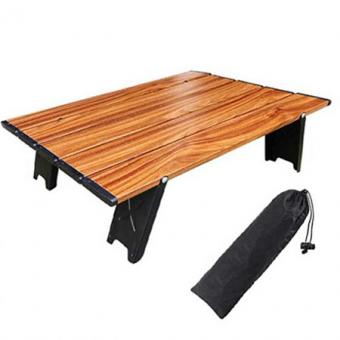
Marca : ANHUI FEISTEL FACTORY Relacionar la fabricación : OEM y ODM Producto : Una mesa de picnic ligera, pequeña y plegable, perfecta para actividades al aire libre. Fabricado con materiales duraderos, es portátil y fácil de configurar.
Marca : FÁBRICA DE ANHUI FEISTEL Relate Manufacturing : OEM y ODM Producto : La silla lunar plegable de hierro metálico liviano personalizada ofrece soporte duradero y comodidad, ideal para acampar al aire libre, con un diseño compacto y portátil para facilitar el transporte y el almacenamiento.
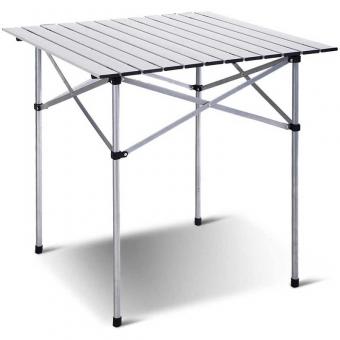
Marca : ANHUI FEISTEL FACTORY Relacionar la fabricación : OEM y ODM Producto : Mesa de picnic enrollable, plegable y portátil para exteriores: diseño de aluminio liviano y duradero con altura ajustable, fácil instalación y bolsa de transporte compacta para acampar, hacer picnics y actividades al aire libre.
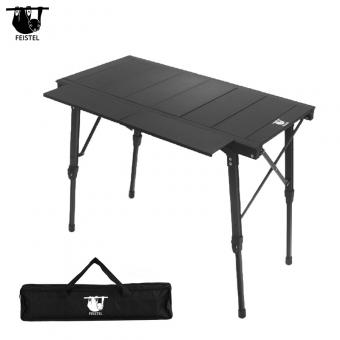
Marca : ANHUI FEISTEL FACTORY Relacionar la fabricación : OEM y ODM Producto : Una mesa de camping IGT BBQ versátil y portátil con patas de altura ajustable. Ideal para cocinar al aire libre, acampar y hacer picnics. Ligero y plegable para facilitar su transporte.
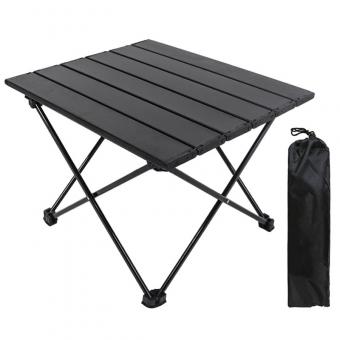
Marca : ANHUI FEISTEL FACTORY Relacionar la fabricación : OEM y ODM Producto : Mesa plegable de aluminio compacta y ligera, perfecta para camping, playa o actividades al aire libre. Fácil de transportar, resistente e ideal para guardar alimentos y bebidas.
Marca : FÁBRICA DE ANHUI FEISTEL Relate Manufacturing : OEM y ODM Producto : Esta silla de madera plegable para acampar presenta un marco resistente, un diseño reclinable ergonómico y una estructura plegable compacta, perfecta para relajarse en la playa, el campamento o el patio trasero.
Marca : FÁBRICA DE ANHUI FEISTEL Relate Manufacturing : OEM y ODM Producto : Esta silla de camping plegable con marco de aluminio para exteriores cuenta con un respaldo ajustable, un diseño liviano pero resistente, que ofrece comodidad portátil para acampar, viajes a la playa, picnics y relajación al aire libre.
Marca : FÁBRICA ANHUI FEISTEL Fabricación relacionada : OEM y ODM Producto : El mini taburete para senderismo y mochileros combina un diseño plegable de tela Oxford duradera con un creativo bolsillo para estuche de lápices, ofreciendo portabilidad, comodidad y practicidad para acampar y aventuras al aire libre
Marca : FÁBRICA DE ANHUI FEISTEL Relate Manufacturing : OEM y ODM Producto : La cama de viaje para dormir con equipo de senderismo al por mayor es una cuna de camping plegable de altura ajustable que ofrece un soporte resistente, fácil portabilidad y un descanso cómodo para aventuras al aire libre.
Marca : ANHUI FEISTEL FACTORY Relacionar la fabricación : OEM y ODM Producto : una cama de camping plegable, portátil, compacta, ultraligera, para exteriores, ideal para mochileros, con un marco duradero, fácil instalación y una práctica bolsa de transporte para viajar.
Boletin informativo
suscríbase a nuestro boletín para recibir noticias, actualizaciones, y ofertas especiales por correo electrónico.