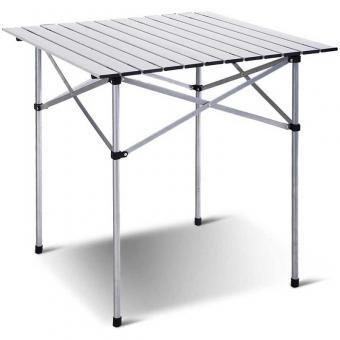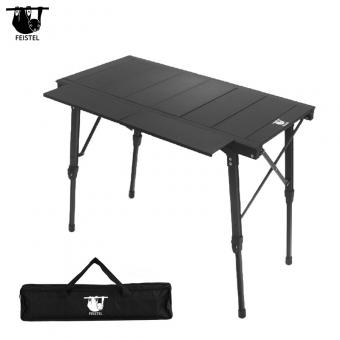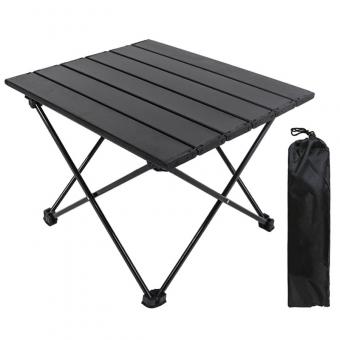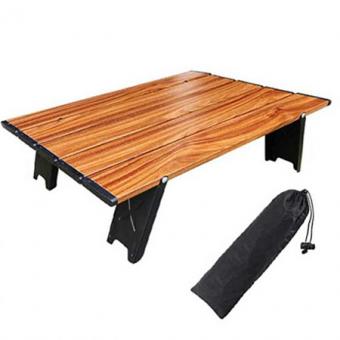
Marca : ANHUI FEISTEL FACTORY Relacionar la fabricación : OEM y ODM Producto : Una mesa de picnic ligera, pequeña y plegable, perfecta para actividades al aire libre. Fabricado con materiales duraderos, es portátil y fácil de configurar.
¡Bienvenido a nuestro sitio web!
aprende másAt FEISTEL, we manufacture and develop outdoor leisure products. This guide explains what makes a hanging chair comfortable, how it differs from a full hammock, and which practical criteria matter before choosing an installation or sourcing a wholesale collection.
The most comfortable hammock swing is the one that fits the intended person, support arrangement, and activity. A compact hanging seat for reading is fundamentally different from a full-length hammock used for sleeping, even when both move gently above the floor. Comfort comes from usable seat geometry, pressure distribution, stable but unobstructed movement, fabric behavior, and the ability to enter and leave without strain. At FEISTEL, we recommend checking the approved mounting method before discussing cushions or color. A luxurious seat is not a good choice if the intended porch ceiling is not rated for it. Materials should be selected for the environment: cotton rope may suit a sheltered reading corner, while damp-prone outdoor conditions call for more attention to drying and maintenance. A stated load rating describes one part of the chair; it never certifies the ceiling, beam, tree, hook, or separately purchased stand.
A hammock swing chair is a suspended seat designed primarily for sitting or reclining rather than lying flat for a full night of sleep. Depending on construction, it may have a flexible cloth pocket, a woven rope cradle, a spreader bar, or a circular metal frame carrying a decorative macrame panel. The term swing refers to permitted movement; it is not an invitation to use the chair as playground equipment. In many homes the chair hangs from one overhead point, although other designs use paired points or a dedicated frame. The suspension geometry must suit the exact model. At FEISTEL, we distinguish seating area from overall decorative width and suspension height. A circular chair may appear generous in photographs but still have a comparatively small usable sitting area. That is why product drawings and occupied dimensions matter as much as the exterior silhouette. From a manufacturer’s viewpoint, the installation environment needs to be described in the same language used on the carton, specification and manual. If sales copy says garden while the manual requires sheltered use, the mismatch should be resolved before release. This is particularly important for private-label brands whose customers may not have access to a product engineer when they first open the package.
The distinction is especially important for buyers arriving through broad search terms. A conventional camping hammock hangs lengthwise between two anchors and supports a reclining body. A hanging swing chair typically places a seated occupant beneath one overhead suspension arrangement. The traditional hammock needs sufficient horizontal anchor spacing; the chair needs suitable overhead clearance and a tested support structure. A product can be comfortable without serving both purposes. We would not suggest that our 300 × 200 cm nylon double camping hammock replaces a macrame chair in a reading nook, or that a round hanging chair provides the same overnight sleep position as a camping hammock. Both belong to the broader suspended-leisure family, yet their instructions, fit questions, structural loading, and customer expectations differ. Clear naming helps reduce accidental orders and unsafe installation assumptions. When comparing possible options, we would document the exact chair dimensions, hardware configuration and intended occupant rather than relying on the product category name alone. That prevents an upgrade in one area from silently changing another area. It also makes later troubleshooting more meaningful because everyone is discussing the same physical product.
A round hoop defines the external shape but not the entire fit. The usable sitting area depends on the inner diameter, rope tension, position of the back support, and the way the occupant settles into the netting. Wider seating surfaces may permit a more relaxed hip position; deeper ones may pull the knees or pelvis into an unfamiliar angle. A spreader bar can open a soft cloth seat without creating the same support profile as a metal ring. The right shape must be checked in the occupied condition, not merely by measuring the empty product. At FEISTEL, we encourage buyers to record the distance between functional supports and whether a cushion changes the sitting depth. The customer needs to understand what the body actually rests on. A picture of the overall diameter alone does not provide that answer. For the customer, the decision is also about what happens between uses. A chair that is easy to inspect, dry, clean and pack may be more practical than one requiring special handling every weekend. These ownership considerations do not create a universal ranking, but they explain why two visually similar hanging seats can suit different households.
Comfort discussions often start with a single width number, but useful fit is multidimensional. Width affects available hip room; depth influences thigh contact and how far the torso settles; back support determines whether the user can sit upright without constant effort. A seat with plentiful external width may still feel constrained if rigid edges or rope attachments intrude into the occupied area. Conversely, very flexible construction may create a deep cradle that is pleasant for relaxation but awkward for someone who repeatedly stands up. We recommend checking dimensions with the intended cushion in place and with a person sitting normally. Sizing guidance should be framed as a range of preferences rather than a promise to fit every body. For overseas importers, a sample-session checklist is more useful than an arbitrary claim that one diameter is universally ergonomic. A purchasing team can turn this point into a practical question on the sample approval sheet: what should the end user be able to do comfortably, and what must the instruction label prohibit? Writing those answers before final photography often reveals details that a visual design review missed. The aim is to align the promised experience with the approved construction rather than decorate the page with general adjectives.
An ergonomics review found that contact-pressure distribution is one of the objective measures most consistently associated with reported seating discomfort. This supports examining seat fit and pressure, but it does not establish a universally comfortable hammock-chair shape. [1]
A cushion can soften localized contact and change the impression of firmness. It can also cover the attractive structure of a woven chair, absorb rainwater, add drying work, or change the user’s effective sitting height. Not every rope seat requires one, and an included pillow should be described by actual size, fill and care instructions. We recommend evaluating comfort both with and without the proposed cushion before approving a retail package. The buyer should also know whether the cushion is part of the supplied unit or a styling accessory used for photography. A cushion that slides or bunches up can make the seated experience worse. For private-label projects, the cover fabric, zipper design, fill, laundering instructions and packaging volume should be considered separately from the chair structure. From a manufacturer’s viewpoint, the installation environment needs to be described in the same language used on the carton, specification and manual. If sales copy says garden while the manual requires sheltered use, the mismatch should be resolved before release. This is particularly important for private-label brands whose customers may not have access to a product engineer when they first open the package.
Small, controlled movement is part of the appeal of suspended seating. Users may like the changing perspective and the sensation of being lightly cradled, but comfort preferences vary. Some people want almost no motion while reading, whereas others enjoy a gentle sway. The permitted amount of movement depends on how the particular chair is designed and installed. A chair labeled swing should never be interpreted as suitable for vigorous pumping, spinning or jumping unless those activities are explicitly allowed. The connection points may experience changing loads as a user moves. At FEISTEL, we recommend writing instructions that make this distinction visible. The goal is relaxed seating within the product’s intended operating conditions, not demonstrating the maximum distance or speed through which the chair can travel. When comparing possible options, we would document the exact chair dimensions, hardware configuration and intended occupant rather than relying on the product category name alone. That prevents an upgrade in one area from silently changing another area. It also makes later troubleshooting more meaningful because everyone is discussing the same physical product.
In a controlled afternoon-nap study, gentle rocking of a bed at 0.25 Hz was associated with changes in sleep onset and stage N2 sleep. A suspended chair differs from a rocking bed, so we do not describe hammock swings as a treatment for sleep problems. [3]
The desired hanging height is not simply the distance from the hook to the empty chair. Flexible rope and cloth may settle under the user’s weight, and the installation has to leave both adequate floor clearance and a manageable entry height. If the chair is suspended too high, getting into it may require unsafe climbing or jumping. Too low, and the occupant may contact the ground when the seat deflects. We advise measuring the complete hanging arrangement under appropriate conditions and following the specific manufacturer's limits. Decorative photographs rarely show the exact support height or load. Any extension chain or connector used to alter height must be compatible with the entire load path. Adding random links without understanding their rating can introduce a weakness. An informative evaluation records what was observed and what remains unverified. A comfortable showroom sit is valid feedback about that user and that setup. It is not evidence of a universal ergonomic advantage or an official structural test. Keeping those statements separate helps product descriptions remain useful long after the first marketing campaign.
A spreader bar and a circular frame both influence how the seat holds its shape, yet they do so differently. A bar tends to keep selected edges apart; a circular hoop provides a fixed outline for a web of fabric or rope. Both can introduce hard contact areas that should remain away from the occupant’s body in ordinary seating positions. The frame material, welding, connections, corrosion protection and surface finish matter to the final product. For a macrame ring chair, cotton weaving should not be treated as the only structural feature. We would review the hoop and cord attachment arrangement as part of the approved design. Visible finish quality is useful but cannot replace product-specific strength verification. A frame that looks solid in a product photo has not thereby demonstrated its allowable load. For the customer, the decision is also about what happens between uses. A chair that is easy to inspect, dry, clean and pack may be more practical than one requiring special handling every weekend. These ownership considerations do not create a universal ranking, but they explain why two visually similar hanging seats can suit different households.
Cotton rope is often chosen for its hand feel and familiar textile appearance. Synthetic fibers can offer alternative choices in moisture handling, color retention, stretch and mass, depending on the exact yarn and construction. It is misleading to declare one fiber universally softer, stronger or longer lasting. Rope diameter, twist, weave density and finishing processes affect how a person experiences the seat. Cotton can retain moisture and should be dried appropriately before storage. Synthetic textiles can also age in sunlight, and their behavior is not uniform across formulations. At FEISTEL, we recommend identifying whether the intended customer values decorative texture, simple transport, outdoor exposure or easy maintenance. Material choice should follow the planned environment and verified specification rather than an unsupported claim that either cotton or polyester guarantees comfort. A purchasing team can turn this point into a practical question on the sample approval sheet: what should the end user be able to do comfortably, and what must the instruction label prohibit? Writing those answers before final photography often reveals details that a visual design review missed. The aim is to align the promised experience with the approved construction rather than decorate the page with general adjectives.
Macrame designs create distinctive openings and a decorative pattern. They may also create concentrated contact regions where knots or rope intersections press against the body. Whether that becomes uncomfortable depends on rope softness, spacing, chair shape, clothing, and session length. A dense weave may feel supportive in one position and restrictive in another. A loose weave can feel more conforming but may require greater attention to how the seat preserves its shape. A retailer cannot reliably evaluate this from a flat fabric swatch. We recommend sitting in a representative finished sample and checking the contact points at the hips, back and thighs. Decorative fringe should not be confused with the components that actually support the occupant. The visual beauty of macrame and the mechanical performance of its load-bearing sections are related but separate questions. From a manufacturer’s viewpoint, the installation environment needs to be described in the same language used on the carton, specification and manual. If sales copy says garden while the manual requires sheltered use, the mismatch should be resolved before release. This is particularly important for private-label brands whose customers may not have access to a product engineer when they first open the package.
A study comparing five chair designs found that seat construction affected pressure distribution and local tissue perfusion. Its suspended seating prototypes were not FEISTEL hammock swings; the result supports evaluating seat contact, not predicting our product’s clinical performance. [2]
The anchor must be appropriate for the exact chair, load and expected movement. A strong-looking branch, decorative pergola rail or drywall screw is not proof of structural suitability. Overhead hanging transfers forces into a building or tree that must be capable of accepting them. Installation to a building may require professional assessment, rated hardware and local building-rule consideration. Some chairs are intended for a supplied stand rather than a separately selected ceiling mount. The buyer needs to follow the approved arrangement, check attachment geometry and inspect accessible connections before use. At FEISTEL, we do not suggest a universal anchor screw size, drilling depth or ceiling material as suitable for every building. Those values depend on the substrate, structural member, fastener system and engineered load case. When suitability is uncertain, do not hang the chair. From a manufacturer’s viewpoint, the installation environment needs to be described in the same language used on the carton, specification and manual. If sales copy says garden while the manual requires sheltered use, the mismatch should be resolved before release. This is particularly important for private-label brands whose customers may not have access to a product engineer when they first open the package.
A chair's stated load rating cannot be used to certify a ceiling, hook, stand, swivel or branch that is supplied separately. Nor does a static rating automatically establish performance under vigorous movement, swinging impacts or repeated commercial use. Each component has a role in the load path. As a manufacturer, we encourage buyers to request the exact configuration covered by any product-level test documentation. Do not add separately advertised capacities together or assume the highest value governs the whole assembly. A person choosing a seat for shared use must also respect whether it is designed for one occupant or more. Our macrame round chairs are presented as single-seat products; a high number printed next to the product does not convert them into two-person swings. Clear instructions reduce misleading assumptions about what has actually been evaluated. When comparing possible options, we would document the exact chair dimensions, hardware configuration and intended occupant rather than relying on the product category name alone. That prevents an upgrade in one area from silently changing another area. It also makes later troubleshooting more meaningful because everyone is discussing the same physical product.
A comfortable seating arrangement needs space around the sides and behind the chair. Even slow movement may bring the frame or an occupant into contact with nearby objects if the installation is too close to a wall, pillar or railing. The appropriate clearance depends on the design and its permitted movement. Do not copy a clearance value from an unrelated chair or assume that the empty product shows its maximum occupied envelope. A technical layout should include the seat shape, attachment location and any stand footprint. In shops and commercial settings, preserve walking routes so passersby do not enter the chair's movement zone. At FEISTEL, we regard clearance as part of product use instructions, not simply interior decoration advice. Sufficient clearance also makes it easier to enter and leave without pulling against fixed objects. An informative evaluation records what was observed and what remains unverified. A comfortable showroom sit is valid feedback about that user and that setup. It is not evidence of a universal ergonomic advantage or an official structural test. Keeping those statements separate helps product descriptions remain useful long after the first marketing campaign.
An occupant should approach and lower themselves into the chair as instructed, keeping control of their movement while the seat settles. Sudden sideways loading can cause surprising movement, especially for first-time users. Feet should be able to reach a suitable surface for entry and exit when the chair is adjusted correctly. Avoid jumping into the seat, standing on the frame, swinging excessively or allowing children to treat a leisure chair as playground equipment. For a flexible rope chair, loose clothing or small items may snag on openings; users should pay attention during entry and exit. At FEISTEL, we would include simple instructional diagrams rather than relying on one lifestyle photograph. The correct posture is specific to the product and should be demonstrated using the exact approved configuration. For the customer, the decision is also about what happens between uses. A chair that is easy to inspect, dry, clean and pack may be more practical than one requiring special handling every weekend. These ownership considerations do not create a universal ranking, but they explain why two visually similar hanging seats can suit different households.
Our FEISTEL macrame hanging-chair design offers a concrete example of the round-seat category. The published product describes cotton-rope weaving, an 80 cm outer ring, a 60 cm inner ring and approximately 120 cm suspension cords. Its open lattice and fringe give it a decorative character suited to reading corners, covered porches and display environments. The listed 200 kg figure is a stated chair load rating; it does not verify the strength of a customer's building, branch or independently sourced hardware. We position this design as a single-seat chair, not a full-length sleep hammock. Buyers should review the current specification and approved installation instructions before planning a retail program. The visible design shows how a metal outline and flexible woven surface can create a hammock-inspired seat without using the geometry of a two-tree camping hammock. When comparing possible options, we would document the exact chair dimensions, hardware configuration and intended occupant rather than relying on the product category name alone. That prevents an upgrade in one area from silently changing another area. It also makes later troubleshooting more meaningful because everyone is discussing the same physical product.
Explore our FEISTEL macrame hammock swing chair. Confirm its current category listing, configuration and load documentation when placing an order.
FEISTEL also lists a black macrame bedroom hammock swing chair using cotton rope and a steel structure, with an approximately 80 cm outer ring and 60 cm inner ring. This version illustrates how color and styling can change the intended merchandising context without necessarily changing the underlying seating category. A dark decorative seat may suit contemporary interiors; lighter colors may support coastal or bohemian arrangements. Neither presentation proves a different load capacity or ergonomic outcome. The most important specifications remain the frame, usable sitting area, suspension, approved use and care. For wholesale customers, color choices should be discussed alongside packaging and sample approval. We would not present the bedroom chair as a replacement for a proper sleeping bed, nor would we describe it as certified for every overhead installation merely because it is supplied for indoor display. An informative evaluation records what was observed and what remains unverified. A comfortable showroom sit is valid feedback about that user and that setup. It is not evidence of a universal ergonomic advantage or an official structural test. Keeping those statements separate helps product descriptions remain useful long after the first marketing campaign.
See the FEISTEL black macrame hanging chair for a contrasting décor finish.
Retail photographs frequently show a suspended product but leave the actual hardware ambiguous. The purchaser should know whether a hook, carabiner, chain, strap, swivel or ceiling plate is included. If any component is sold separately, the specification should identify the compatibility requirements without suggesting a one-size-fits-all solution. For a private-label project, we recommend documenting every item in the retail bill of materials, including protective packaging around metal parts. A missing connector at the point of installation creates frustration, while the wrong connector can create serious risk. Assembly illustrations should show component orientation clearly. We also advise differentiating optional styling accessories from necessary load-bearing hardware. A chair that looks complete in a studio photograph may still need installation materials chosen for the actual support structure. When comparing possible options, we would document the exact chair dimensions, hardware configuration and intended occupant rather than relying on the product category name alone. That prevents an upgrade in one area from silently changing another area. It also makes later troubleshooting more meaningful because everyone is discussing the same physical product.
Before sitting, inspect the seat material for damaged cords, loose knots, fraying or unexpected changes in shape. Look at the frame and attachment points for deformation, corrosion or movement. Inspect accessible straps, connectors and the approved overhead anchor as directed. If any component appears compromised, discontinue use pending appropriate assessment; tying an extra knot or adding a random fastener is not a documented repair. A chair used occasionally indoors may show different wear from one exposed to patio humidity or frequently handled in hospitality spaces. The inspection routine should reflect the product's instructions and the environment. At FEISTEL, we prefer observable checks to a broad claim that a hanging seat is maintenance-free. A customer who knows what to look for is better equipped to use the product responsibly. An informative evaluation records what was observed and what remains unverified. A comfortable showroom sit is valid feedback about that user and that setup. It is not evidence of a universal ergonomic advantage or an official structural test. Keeping those statements separate helps product descriptions remain useful long after the first marketing campaign.
Cotton rope requires material-appropriate care. Dirt may accumulate where fibers cross and knots hold moisture longer than open sections. Follow the product’s cleaning instructions and avoid aggressive bleaching or prolonged soaking unless the fabric specification permits it. Dry the chair thoroughly before enclosed storage, paying attention to intersections and decorative tassels. A removable cushion may need a different cleaning method from the woven seat. Metal frames and connectors also have separate finish requirements. We would not recommend immersing the entire assembled chair in water without confirming that its structure and materials tolerate that method. The correct objective is not merely an attractive appearance; it is retaining a condition that can be inspected and safely used. For retail copy, cleaning recommendations should be specific enough to be practical but should not promise an unverified service-life extension. For the customer, the decision is also about what happens between uses. A chair that is easy to inspect, dry, clean and pack may be more practical than one requiring special handling every weekend. These ownership considerations do not create a universal ranking, but they explain why two visually similar hanging seats can suit different households.
When we recommend examining a sample, we begin with the intended person and setting. Confirm the dimensions, then assess how naturally the user enters and exits. Check hip room, thigh pressure, back support and ability to change position without contacting rigid elements. Confirm that the chair does not obstruct nearby objects within its permitted movement. Test any removable cushion separately so its effect can be understood. Review the instructions and included hardware rather than assuming they match the catalog photograph. Record subjective comfort as user feedback, while treating load capacity and material performance as separate verification topics. A repeatable checklist helps buyers compare product revisions without pretending that subjective preferences are an independently validated ranking. The result is a more transparent discussion of what the design does well and for whom it is most likely to fit. An informative evaluation records what was observed and what remains unverified. A comfortable showroom sit is valid feedback about that user and that setup. It is not evidence of a universal ergonomic advantage or an official structural test. Keeping those statements separate helps product descriptions remain useful long after the first marketing campaign.
For a custom development request, we would first identify where the product will be installed and who will use it. The next questions concern seat geometry, rope material, frame specification, hardware package, desired appearance and packing arrangement. A bright patio collection may prioritize color and easy cleaning, while an indoor décor program may value tactile rope texture and coordinated cushions. Changes to the steel ring, cord paths or suspension should never be treated as cosmetic-only modifications. They can affect load transfer and may require additional validation. At FEISTEL, we recommend approving a representative physical sample, technical drawing, labeling content and packaging before production. We should also define which claims are supported by available records. A clear product brief is more useful to an importer than a generic statement that every part can be customized without consequences. For the customer, the decision is also about what happens between uses. A chair that is easy to inspect, dry, clean and pack may be more practical than one requiring special handling every weekend. These ownership considerations do not create a universal ranking, but they explain why two visually similar hanging seats can suit different households.
Quality control should examine the elements that actually carry load. For woven rope chairs, important checks include cord consistency, fraying, knots or fastening arrangements, and correct routing through the frame. Metal rings and connectors need appropriate dimensional, finish and assembly checks. The item count and package contents should match the approved specification. Visual inspection can identify obvious workmanship problems, but it cannot establish capacity or fatigue life without an appropriate test method. At FEISTEL, we encourage a documented division between incoming material inspection, in-process assembly review and finished-product verification. Buyers seeking specific performance claims should agree on the relevant tests in advance. Good quality communication is precise about what was inspected, when, and for which configuration; it does not substitute generic certification language for evidence. When comparing possible options, we would document the exact chair dimensions, hardware configuration and intended occupant rather than relying on the product category name alone. That prevents an upgrade in one area from silently changing another area. It also makes later troubleshooting more meaningful because everyone is discussing the same physical product.
The first mistake is selecting a chair entirely by appearance without checking whether the space can safely support it. Another is comparing a one-person macrame chair with a full-length double hammock as if they performed the same job. Buyers may also read the highest published load figure without considering other components, overlook the need for a cushion, or assume all hardware is included. Outdoor purchasers sometimes ignore the drying needs of cotton rope, while indoor purchasers may focus on color and forget movement clearance. We recommend starting with user, installation and activity, then comparing size and material. This sequence is less glamorous than a simple best-overall list, but it prevents category errors. A good purchase should suit the setting as well as the photograph. For the customer, the decision is also about what happens between uses. A chair that is easy to inspect, dry, clean and pack may be more practical than one requiring special handling every weekend. These ownership considerations do not create a universal ranking, but they explain why two visually similar hanging seats can suit different households.
Is a hammock swing comfortable for reading? It can be, especially when seat fit and back support suit the user, but preferences vary. Is a hammock chair the same as a sleeping hammock? No; an upright suspended seat is not automatically a full-length overnight bed. Does cotton rope work outside? It can suit appropriately sheltered settings, but care and moisture exposure matter. Can I hang one from any ceiling? No; support and hardware suitability require verification. Does a stated 200 kg rating mean two people can sit together? No; a chair advertised for one person remains a single-seat product. Does a cushion always improve comfort? Not necessarily; padding also changes seat geometry and cleaning. Can a freestanding hammock stand support any swing chair? Not without explicit compatibility. These answers focus on practical limits rather than universal promises. A purchasing team can turn this point into a practical question on the sample approval sheet: what should the end user be able to do comfortably, and what must the instruction label prohibit? Writing those answers before final photography often reveals details that a visual design review missed. The aim is to align the promised experience with the approved construction rather than decorate the page with general adjectives.
There is no single most comfortable hammock swing for every shopper. The right design depends on the person’s posture, usable seat geometry, suspension, surrounding space, weather exposure and maintenance preferences. A round cotton-rope macrame chair may suit a sheltered reading nook where decorative texture matters. A different suspended seating system may be preferable for an exposed patio or users who need firmer support. A full-length camping hammock addresses reclining and sleep rather than upright seating. At FEISTEL, our recommendation is to match these categories honestly and to confirm that the entire installation—not just the chair—is suitable. We would rather help a buyer understand an important limitation than call every suspended product the best. Comfort begins with correct use, while lasting satisfaction depends on accurate specifications and care. From a manufacturer’s viewpoint, the installation environment needs to be described in the same language used on the carton, specification and manual. If sales copy says garden while the manual requires sheltered use, the mismatch should be resolved before release. This is particularly important for private-label brands whose customers may not have access to a product engineer when they first open the package.
Evidence boundary: This is a FEISTEL manufacturer-informed buying guide, not an independently tested comparison of every hanging chair on the market. The stated rating on a specific chair does not cover separately sourced overhead anchors, stands or installation hardware. Exact specifications and category placement should be checked for the selected SKU.
[1] Sitting comfort and discomfort and the relationships with objective measures. A review of general seated comfort and pressure measures, not a hammock-chair test.
[2] The Effect of Chair Designs on Sitting Pressure Distribution and Tissue Perfusion. Experimental seating design research, not FEISTEL product validation.
[3] Rocking synchronizes brain waves during a short nap. A rocking-bed nap study; its sleep findings cannot be directly applied to a hammock swing chair.
categorías
nuevo blog
Marca : ANHUI FEISTEL FACTORY Relacionar la fabricación : OEM y ODM Producto : Una mesa de picnic ligera, pequeña y plegable, perfecta para actividades al aire libre. Fabricado con materiales duraderos, es portátil y fácil de configurar.
Marca : FÁBRICA DE ANHUI FEISTEL Relate Manufacturing : OEM y ODM Producto : La silla lunar plegable de hierro metálico liviano personalizada ofrece soporte duradero y comodidad, ideal para acampar al aire libre, con un diseño compacto y portátil para facilitar el transporte y el almacenamiento.
Marca : ANHUI FEISTEL FACTORY Relacionar la fabricación : OEM y ODM Producto : Mesa de picnic enrollable, plegable y portátil para exteriores: diseño de aluminio liviano y duradero con altura ajustable, fácil instalación y bolsa de transporte compacta para acampar, hacer picnics y actividades al aire libre.
Marca : ANHUI FEISTEL FACTORY Relacionar la fabricación : OEM y ODM Producto : Una mesa de camping IGT BBQ versátil y portátil con patas de altura ajustable. Ideal para cocinar al aire libre, acampar y hacer picnics. Ligero y plegable para facilitar su transporte.
Marca : ANHUI FEISTEL FACTORY Relacionar la fabricación : OEM y ODM Producto : Mesa plegable de aluminio compacta y ligera, perfecta para camping, playa o actividades al aire libre. Fácil de transportar, resistente e ideal para guardar alimentos y bebidas.
Marca : FÁBRICA DE ANHUI FEISTEL Relate Manufacturing : OEM y ODM Producto : Esta silla de madera plegable para acampar presenta un marco resistente, un diseño reclinable ergonómico y una estructura plegable compacta, perfecta para relajarse en la playa, el campamento o el patio trasero.
Marca : FÁBRICA DE ANHUI FEISTEL Relate Manufacturing : OEM y ODM Producto : Esta silla de camping plegable con marco de aluminio para exteriores cuenta con un respaldo ajustable, un diseño liviano pero resistente, que ofrece comodidad portátil para acampar, viajes a la playa, picnics y relajación al aire libre.
Marca : FÁBRICA ANHUI FEISTEL Fabricación relacionada : OEM y ODM Producto : El mini taburete para senderismo y mochileros combina un diseño plegable de tela Oxford duradera con un creativo bolsillo para estuche de lápices, ofreciendo portabilidad, comodidad y practicidad para acampar y aventuras al aire libre
Marca : FÁBRICA DE ANHUI FEISTEL Relate Manufacturing : OEM y ODM Producto : La cama de viaje para dormir con equipo de senderismo al por mayor es una cuna de camping plegable de altura ajustable que ofrece un soporte resistente, fácil portabilidad y un descanso cómodo para aventuras al aire libre.
Marca : ANHUI FEISTEL FACTORY Relacionar la fabricación : OEM y ODM Producto : una cama de camping plegable, portátil, compacta, ultraligera, para exteriores, ideal para mochileros, con un marco duradero, fácil instalación y una práctica bolsa de transporte para viajar.
SIGAMOS CONECTADOS :