Esterillas de espuma vs inflables vs autoinflables para dormir: ¿cuál es la mejor para mochilerismo?
2026-08-26
Tu colchoneta para dormir es el componente más infravalorado de tu sistema de descanso para mochilerismo. Proporciona dos funciones críticas: comodidad (amortiguación del suelo) y aislamiento (prevención de la pérdida de calor hacia el suelo frío). Una buena colchoneta para dormir puede marcar la diferencia entre una larga noche temblando de frío y un sueño profundo que te deja renovado.
Pero con tres tipos principales en el mercado: espuma de celdas cerradas, inflable, y autoajustable—¿cómo eliges? Analicemos cada opción.
EntendiendoR-Valor primero
Antes de comparar tipos, necesitas entender el valor R—la medida del aislamiento de una colchoneta, o su capacidad para evitar el flujo de calor de tu cuerpo hacia el suelo frío. Cuanto mayor sea el valor R, más cálida será la colchoneta.
Estación
Valor R recomendado
Solo verano
1.0 – 3.0
3 estaciones
3.0 – 5.0
Invierno / 4 estaciones
5.0+
Espuma de celdas cerradasColchonetas: el clásico confiable
Las colchonetas de espuma de celdas cerradas están hechas de espuma densa con pequeñas bolsas de aire atrapadas. No se comprimen, así que las enrollas o doblas y las llevas sujetas en la parte exterior de tu mochila.
Ventajas:
Indestructible: Sin pinchazos, sin fugas, sin fallos. Puedes sujetarlos al exterior de tu mochila sin preocuparte por daños.
Ligero: Normalmente 8–14 oz para una esterilla de longitud completa. La Therm-a-Rest Z Lite Sol pesa solo 14 oz.
Asequible: $15–$45. Las populares esterillas de espuma cuestan $45–$50, mientras que las esterillas inflables cuestan $100–$180.
No necesita inflado: Desenrolla y duerme.
Multiuso: Sirve también como almohadilla para sentarse, estructura de mochila, férula o protección del suelo debajo de una inflable.
Desventajas:
Voluminosa: Debe llevarse fuera de la mochila.
Menos cómoda: Normalmente 0,5–0,9 pulgadas de grosor. Una esterilla de aire mullida ofrece un descanso significativamente mejor que las esterillas de célula cerrada que causan presión en los hombros.
Menor valor R: Normalmente R-1,5 a R-2,6. La esterilla de espuma con el valor R más alto disponible actualmente es la Exped FlexMat Plus con ~R-2,2.
No apta para quienes duermen de lado: Las caderas y los hombros presionan hasta llegar al suelo.
Mejor para: Excursionistas ultraligeros, viajes de verano, senderistas de larga distancia que priorizan la fiabilidad, mochileros con presupuesto limitado y como respaldo o complemento debajo de una inflable en invierno.
Esterillas inflables: La favorita moderna
Las esterillas inflables consisten en una cubierta hermética con aislamiento ligero o material reflectante en el interior. Se enrollan en cilindros pequeños—algunos tan pequeños como una botella de agua—y caben fácilmente en tu mochila.
Ventajas:
Más cómodo: 2–4 pulgadas de acolchado. El Therm-a-Rest NeoLoft tiene un grosor mullido de 4,6 pulgadas. Cualquier colchoneta inflable de más de 3,5 pulgadas de grosor está en el lado más mullido.
Excelentes valores R: Hasta R-7.3 para modelos de invierno. El Therm-a-Rest NeoAir XTherm NXT ofrece R-7.3 con un peso de 15 oz.
Compacta: Se guarda ocupando el tamaño de una botella Nalgene.
Adecuada para quienes duermen de lado: Suficiente acolchado para comodidad de cadera y hombro. Quienes duermen de lado necesitan al menos 3 pulgadas de grosor para evitar tocar fondo.
Desventajas:
Riesgo de pinchazos: Un solo agujero significa una noche sin comodidad si no se tiene un kit de reparación. Son propensas a los pinchazos causados por rocas afiladas, piñas y abrasión.
Más pesada que la espuma: 8–20 oz según el tamaño y el aislamiento.
Cara: $100–$250+.
Ruido: Algunos modelos crujen al moverse.
Tiempo de inflado: 10–30 respiraciones o 1–2 minutos con una bolsa de inflado.
Realidad del mercado: En una encuesta reciente de más de 600 mochileros, uso de colchonetas inflables superó al de colchonetas autoinflables o de espuma de celdas cerradas por más de cinco a uno. Es un cambio notable: las colchonetas inflables eran relativamente nuevas y mucho menos fiables hace apenas una décadaEl mercado mundial de almohadillas inflables para dormir se estimó en 229,93 millones de dólares en 2024 y se prevé que alcance los 887,99 millones de dólares para 2033.
Ideal para: La mayoría de los mochileros, personas que duermen de lado, acampadas en climas fríos y cualquiera que priorice la comodidad y el calor.
AutoinflablesInflablesAlmohadillas: el punto medio
Las almohadillas autoinflables combinan espuma de celdas abiertas dentro de una carcasa hermética. Abre la válvula y la espuma se expande, absorbiendo aire. Añade unas cuantas respiraciones para lograr la firmeza deseada.
Ventajas:
Buena comodidad: 1–2,5 pulgadas de espuma más un cojín de aire. Más cómodas que las almohadillas de espuma.
Valores R decentes: R-3 a R-5 para modelos estándar.
Durabilidad moderada: Tejidos más gruesos que las almohadillas inflables. Menos afectadas por los pinchazos porque la espuma sigue proporcionando algo de aislamiento incluso si la carcasa se rasga.
Fácil preparación: Se autoinflan con un esfuerzo mínimo: solo hay que abrir la válvula. La menor acumulación de humedad de la respiración reduce el riesgo de moho.
Desventajas:
Más pesadas y voluminosas que las almohadillas de aire. Las almohadillas autoinflables suelen pesar entre 1,5 y 4,5 libras.
Menos compactas que las almohadillas de aire al guardarlas.
No son ideales para mochilerismo ultraligero.
Más caras que la espuma.
Ideal para: Campistas en coche, campistas de 3 estaciones o mochileros que buscan una comodidad y durabilidad moderadas sin gastar demasiado. Ofrecen un buen equilibrio entre capacidad de transporte, durabilidad y calidez.
Comparación directa Comparación
Característica
Espuma de celda cerrada
Inflable
Autoinflable
Comodidad
★★ (firme, delgada)
★★★★★ (acolchada, 2–4″)
★★★★ (espuma+aire de 1–2.5″)
Rango de valor R
1.5 – 2.6
1.3 – 7.3
2.0 – 5.0+
Peso
8–14 oz
8–20 oz
1.5–4.5 libras
Tamaño plegado
Voluminoso (fuera de la mochila)
Tamaño de botella de agua
Rollo mediano
Durabilidad
★★★★★ (resistente a perforaciones)
★★★ (riesgo de perforación)
★★★★ (respaldo de espuma)
Precio
$15–$45
$100–$250+
$60–$150
Preparación
Ninguna
10–30 respiraciones
Se infla automáticamente
¿Durmiente de lado?
No
Sí (mínimo de 3″+)
Sí (modelos más gruesos)
En resumen
Para una fiabilidad extremadamente sólida, gana la espuma; para una comodidad y durabilidad generales, las colchonetas autoinflables son superiores; para una calidez ultraligera y ahorrar espacio en la mochila, elige una inflable. Elige espuma de celda cerrada si: tienes un presupuesto limitado, priorizas la durabilidad por encima de todo, haces senderismo en condiciones de verano o quieres una colchoneta de respaldo para añadir capas en invierno.
Elige una inflable si: quieres la mejor relación comodidad-peso, necesitas calor para viajes de 3 estaciones o de invierno, o eres una persona que duerme de lado y necesita amortiguación. Para la mayoría de los mochileros, una colchoneta inflable aislada ofrece la mejor combinación de comodidad, calor y facilidad de transporte.
Elige una autoinflable si: acampas en coche, quieres una preparación sencilla o necesitas un equilibrio entre comodidad y durabilidad sin la preocupación por pinchazos de las colchonetas de aire puras.
La "mejor" colchoneta depende por completo de dónde haces senderismo, cuándo lo haces y qué es lo más importante para ti. Pero si te adentras en la naturaleza durante varias noches, la creciente popularidad de las colchonetas inflables no es una coincidencia: ofrecen una calidad de sueño que la espuma simplemente no puede igualar.
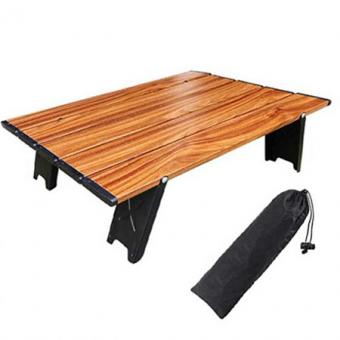
Marca : ANHUI FEISTEL FACTORY Relacionar la fabricación : OEM y ODM Producto : Una mesa de picnic ligera, pequeña y plegable, perfecta para actividades al aire libre. Fabricado con materiales duraderos, es portátil y fácil de configurar.
Marca : FÁBRICA DE ANHUI FEISTEL Relate Manufacturing : OEM y ODM Producto : La silla lunar plegable de hierro metálico liviano personalizada ofrece soporte duradero y comodidad, ideal para acampar al aire libre, con un diseño compacto y portátil para facilitar el transporte y el almacenamiento.
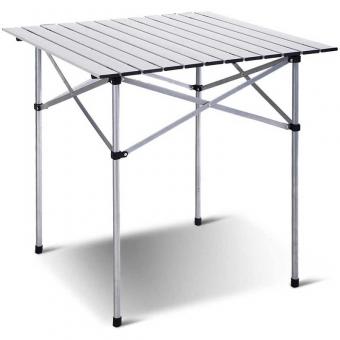
Marca : ANHUI FEISTEL FACTORY Relacionar la fabricación : OEM y ODM Producto : Mesa de picnic enrollable, plegable y portátil para exteriores: diseño de aluminio liviano y duradero con altura ajustable, fácil instalación y bolsa de transporte compacta para acampar, hacer picnics y actividades al aire libre.
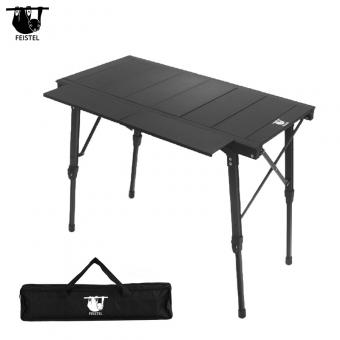
Marca : ANHUI FEISTEL FACTORY Relacionar la fabricación : OEM y ODM Producto : Una mesa de camping IGT BBQ versátil y portátil con patas de altura ajustable. Ideal para cocinar al aire libre, acampar y hacer picnics. Ligero y plegable para facilitar su transporte.
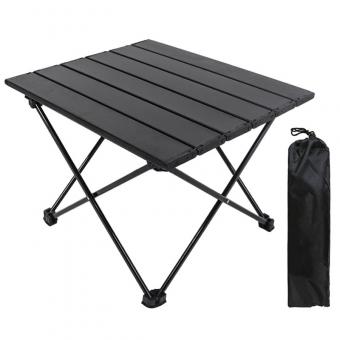
Marca : ANHUI FEISTEL FACTORY Relacionar la fabricación : OEM y ODM Producto : Mesa plegable de aluminio compacta y ligera, perfecta para camping, playa o actividades al aire libre. Fácil de transportar, resistente e ideal para guardar alimentos y bebidas.
Marca : FÁBRICA DE ANHUI FEISTEL Relate Manufacturing : OEM y ODM Producto : Esta silla de madera plegable para acampar presenta un marco resistente, un diseño reclinable ergonómico y una estructura plegable compacta, perfecta para relajarse en la playa, el campamento o el patio trasero.
Marca : FÁBRICA DE ANHUI FEISTEL Relate Manufacturing : OEM y ODM Producto : Esta silla de camping plegable con marco de aluminio para exteriores cuenta con un respaldo ajustable, un diseño liviano pero resistente, que ofrece comodidad portátil para acampar, viajes a la playa, picnics y relajación al aire libre.
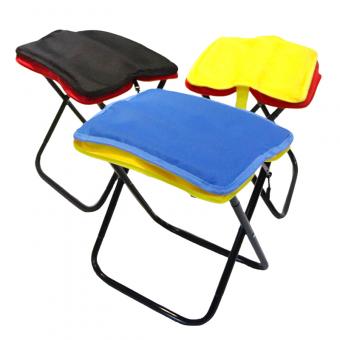
Marca : FÁBRICA ANHUI FEISTEL Fabricación relacionada : OEM y ODM Producto : El mini taburete para senderismo y mochileros combina un diseño plegable de tela Oxford duradera con un creativo bolsillo para estuche de lápices, ofreciendo portabilidad, comodidad y practicidad para acampar y aventuras al aire libre
Marca : FÁBRICA DE ANHUI FEISTEL Relate Manufacturing : OEM y ODM Producto : La cama de viaje para dormir con equipo de senderismo al por mayor es una cuna de camping plegable de altura ajustable que ofrece un soporte resistente, fácil portabilidad y un descanso cómodo para aventuras al aire libre.
Marca : ANHUI FEISTEL FACTORY Relacionar la fabricación : OEM y ODM Producto : una cama de camping plegable, portátil, compacta, ultraligera, para exteriores, ideal para mochileros, con un marco duradero, fácil instalación y una práctica bolsa de transporte para viajar.
Boletin informativo
suscríbase a nuestro boletín para recibir noticias, actualizaciones, y ofertas especiales por correo electrónico.