Opciones de logotipo y color personalizados: Personaliza tu cama de playa de aluminio para el mercado estadounidense.
2026-03-31
El mercado estadounidense de actividades al aire libre es sumamente competitivo. Desde las playas de arena de Florida hasta las costas rocosas de Maine, los consumidores estadounidenses tienen un sinfín de opciones en cuanto a equipamiento playero. ¿Cómo puede tu marca destacar?
La respuesta reside en la diferenciación estratégica del producto.
catres de playa de aluminio
En una categoría que crece rápidamente entre campistas, bañistas y amantes de las actividades al aire libre, la personalización de la marca mediante la ubicación del logotipo y las opciones de color ya no es un lujo, sino una necesidad.
Esta guía le explica todo lo que necesita saber sobre cómo comercializar su cama plegable de playa de aluminio en el mercado estadounidense, desde comprender las opciones de personalización hasta cumplir con los requisitos de los proveedores y evitar errores comunes.
Por qué la personalización es importante en el mercado estadounidense.
El consumidor estadounidense espera algo más que productos genéricos. Busca artículos que reflejen su personalidad, su estilo de vida y, cada vez más, sus valores. Para las marcas que venden catres de playa de aluminio, la personalización ofrece tres ventajas distintas:
Reconocimiento de marca
Un logotipo personalizado en su
cama de playa
Transforma un producto básico en un activo de marca. Cada vez que un cliente instala tu catre en la playa o en el camping, tu logotipo se hace visible. Este marketing pasivo genera reconocimiento de marca con el tiempo, convirtiendo a los clientes en embajadores de la marca.
Posicionamiento Premium
Los productos personalizados alcanzan precios más altos. Cuando los consumidores ven una tumbona de playa de marca, con un diseño cuidado —colores coordinados y un logotipo bien visible— perciben un mayor valor. Esta percepción justifica un precio superior y protege sus márgenes de beneficio.
Fidelización de clientes
Los productos de marca crean conexiones emocionales. Cuando los clientes invierten en artículos que sienten como propios —ya sea por la elección del color o la visibilidad del logotipo— desarrollan lealtad hacia tu marca. Esta lealtad se traduce en compras repetidas y recomendaciones de boca en boca.
Cómo entender su catre de playa de aluminio: Especificaciones clave
Antes de adentrarse en la personalización, es fundamental comprender las especificaciones básicas del producto. Estos atributos definen la calidad y guían las decisiones de personalización.
Material del cuadro: ¿Por qué predomina el aluminio?
La estructura es la base de cualquier cama plegable de playa. En el mercado estadounidense, las estructuras de aleación de aluminio se han convertido en el estándar de oro, y con razón.
Los marcos de aleación de aluminio ofrecen una atractiva combinación de portabilidad ligera y resistencia estructural. Una tumbona de playa de aluminio bien construida suele pesar alrededor de
3,2 kg (7 libras)
mientras soporta hasta
150 kg (330 libras)
del peso del usuario
Esta relación resistencia-peso es aproximadamente
Un 30% mejor que las cunas tradicionales con estructura de acero.
lo que convierte al aluminio en la opción obvia para los consumidores estadounidenses preocupados por la portabilidad.
.
Para un posicionamiento premium, considere actualizar a
aleación de aluminio 6061-T6
o incluso compuestos de aluminio-titanio. Estos materiales avanzados ofrecen una mayor resistencia a la corrosión, fundamental para entornos de playa donde la bruma salina puede dañar metales menos resistentes, al tiempo que mantienen características de ligereza.
.
Tejidos e impermeabilización
La superficie para dormir es tan importante como la estructura. La mayoría de las camas plegables de playa de aluminio de calidad utilizan
poliéster Oxford 210D
con revestimiento resistente al agua
Esta elección de tejido equilibra la durabilidad (el 210D proporciona una excelente resistencia al desgarro) con la transpirabilidad para mayor comodidad en condiciones cálidas.
Para las marcas que se dirigen a segmentos de alta gama, considere la posibilidad de mejorar la calidad de los tejidos:
Oxford 600D
Más pesado pero más duradero, ideal para flotas de alquiler o situaciones de uso intensivo.
Tejido Ripstop
: El patrón de rejilla reforzado evita la propagación de desgarros.
Recubrimiento resistente a los rayos UV
: Imprescindible para productos de playa que están expuestos constantemente al sol.
Dimensiones y portabilidad
Los consumidores estadounidenses valoran la comodidad. Su catre de playa de aluminio debería ofrecer:
Especificación
Rango típico
Por qué es importante
Tamaño ensamblado
190×65×35 cm
Se adapta a la altura promedio de un adulto estadounidense.
Tamaño plegado
70×25 cm o más pequeño
Cabe en maleteros de coches y armarios de almacenamiento.
Peso empaquetado
2,5–3,5 kg
Fácil de transportar del coche a la playa.
Tiempo de configuración
Menos de 2 minutos
Reduce la fricción para un uso espontáneo.
Los modelos premium pueden alcanzar tamaños plegados tan compactos como
60×20 cm
y pesos tan bajos como
2,5 kg
mediante ingeniería avanzada y materiales de grado militar
.
Opciones de logotipo personalizado: desde básico hasta premium.
La personalización de logotipos no es una solución estándar. Dependiendo de su presupuesto, la cantidad del pedido y las expectativas de calidad, tiene varias opciones.
Serigrafía
La serigrafía aplica la tinta directamente sobre la superficie de la tela mediante una plantilla de malla. Este método es económico para grandes cantidades y produce colores vibrantes y opacos.
Cantidad mínima de pedido
: Normalmente entre 100 y 200 piezas
Lo mejor para
Logotipos de alto contraste sobre telas de colores claros.
Durabilidad
: Moderado: puede desvanecerse con lavados repetidos.
Costo
: Bajo a moderado
Transferencia de calor (vinilo)
La transferencia térmica consiste en cortar logotipos en vinilo de color y aplicarlos sobre la tela mediante calor. Este método funciona bien para diseños detallados con varios colores.
Cantidad mínima de pedido
: Inferior a la serigrafía (50–100 piezas)
Lo mejor para
Lotes pequeños, diseños multicolor
Durabilidad
: Bueno: el vinilo resiste la decoloración.
Costo
: Moderado
Etiquetas tejidas
Se cose una etiqueta tejida a la tela, creando un distintivo de marca duradero y de aspecto profesional. Este enfoque funciona bien para un posicionamiento de alta gama.
Cantidad mínima de pedido
: 500–1000 unidades (según la etiqueta)
Lo mejor para
Imagen de marca premium, consistente en múltiples productos.
Durabilidad
Excelente: las etiquetas duran más que el producto.
Costo
: Superior a los métodos de impresión
Bordado
Para aplicaciones de máxima calidad, el bordado incorpora el logotipo directamente en la tela. Esto crea una textura elegante y sofisticada que transmite calidad.
Cantidad mínima de pedido
: 200–500 piezas
Lo mejor para
Posicionamiento de lujo, tejidos gruesos
Durabilidad
Excelente, prácticamente permanente
Costo
: Opción más alta
Requisitos de MOQ del proveedor
La mayoría de los proveedores de camas de playa de aluminio ofrecen personalización de logotipos a partir de
100 piezas
Para marcas más pequeñas que están probando el mercado, algunos fabricantes ofrecen pedidos de muestra con la aplicación básica del logotipo a un precio unitario ligeramente superior. Confirme siempre los requisitos de cantidad mínima de pedido (MOQ) antes de comprometerse con la producción.
Opciones de color: Creando la paleta de colores de tu marca
La personalización del color va más allá de su logotipo. Muchos proveedores ofrecen una amplia gama de colores para la tela, lo que le permite crear una estética de marca coherente.
Gama de colores estándar
La mayoría de los proveedores mantienen una biblioteca de colores de tela estándar, que normalmente incluye:
tonos pastel
Azul claro, rosa, menta (cada vez más populares para productos de playa)
Coincidencia Pantone
Para las marcas con requisitos de color específicos, la igualación Pantone garantiza la consistencia del color en todas las series de producción. La mayoría de los proveedores pueden igualar los colores Pantone con
pedidos mínimos de 200 a 500 unidades
y tarifas de instalación adicionales.
Qué información debe proporcionar a su proveedor:
Número de color Pantone (por ejemplo, PMS 186 C para un rojo específico)
Muestras de color o referencias físicas
Expectativas de tolerancia (cierta variación es normal entre lotes de tela)
Opciones bicolor y con estampado
Más allá de los colores sólidos, considere lo siguiente:
Diseños bicolor
Colores diferentes para el marco y la tela, o ribetes en contraste.
patrones de rayas
Popular por sus productos de playa, creando una estética clásica.
impresiones personalizadas
Impresión a todo color para diseños exclusivos (cantidades mínimas de pedido y costes más elevados).
El proceso de personalización: paso a paso
Fase 1: Diseño y presupuesto
Comience por prepararse:
Archivos de logotipos en formato vectorial (AI, EPS o PDF)
Colores Pantone para el logotipo y la tela.
Ubicación deseada del logotipo (centro de la tela, esquina o área del reposacabezas)
Cantidad objetivo del pedido
Consejo profesional
: Solicitar un
maqueta virtual
antes de realizar el muestreo. Muchos proveedores pueden generar representaciones digitales que muestran su logotipo y colores en el producto, lo que permite realizar ajustes antes del muestreo físico.
Fase 2: Muestreo
Las muestras físicas lo verifican:
Precisión del color (tejido e impresión)
Tamaño y ubicación del logotipo
Durabilidad de la impresión (prueba de rayado)
Calidad general del producto
Los costos de las muestras suelen oscilar entre
$50–$150
, a menudo reembolsable con su primer pedido al por mayor. Plazo de entrega de ejemplo:
10-15 días
para colores y logotipos personalizados
.
Qué comprobar en la muestra:
¿El color del logotipo coincide con la especificación Pantone?
¿Está el logotipo colocado correctamente y centrado?
¿La impresión resiste los arañazos?
¿El color de la tela coincide con las expectativas en diferentes condiciones de iluminación?
Fase 3: Producción
Tras la aprobación de la muestra, comienza la producción. Para pedidos inferiores a 500 unidades, los plazos de entrega suelen oscilar entre
2–4 semanas
.
Puntos de control de calidad a verificar:
Inspección aleatoria de la aplicación del logotipo
Uniformidad de color en todas las unidades
Calidad del marco y de la tela
Precisión del embalaje
Fase 4: Envíos y logística
Los productos personalizados requieren las mismas consideraciones de envío que los pedidos estándar:
Envío exprés
(DHL/FedEx/UPS): 3-7 días para pedidos pequeños urgentes
Transporte aéreo
: 7–14 días para pedidos medianos
Transporte marítimo
: 4–6 semanas para cargas completas de contenedores
Para productos de marca, considere
envase listo para la venta al por menor
—Bolsas de polietileno personalizadas, etiquetas colgantes o cajas impresas que refuerzan la identidad de su marca en el punto de venta.
Consideraciones de costos
La personalización incrementa el costo. Comprender los componentes le ayudará a elaborar un presupuesto eficaz:
Tipo de personalización
Costo adicional típico
Requisito de cantidad mínima de pedido
Logotipo serigrafiado
$0,50–1,50 por unidad
100–200 piezas
Logotipo de transferencia térmica
$1.00–2.00 por unidad
50–100 piezas
Etiqueta tejida
$0.75–1.50 por unidad + configuración
500–1000 piezas
Cambio de color sólido
$0.50–1.00 por unidad
200–500 piezas
Coincidencia Pantone
Tarifa de instalación de entre 50 y 100 dólares
Más de 200 piezas
Diseño bicolor
$1.00–2.00 por unidad
300–500 piezas
Estrategias para ahorrar costes:
Combine varias personalizaciones en un solo pedido.
Comience con los colores predeterminados y agregue solo el logotipo.
Negocie mejores precios con pedidos repetidos.
Considere cantidades mínimas de pedido (MOQ) más altas para obtener costos unitarios más bajos.
Consideraciones del mercado estadounidense
Momento estacional
La temporada de playa y acampada en EE. UU. va de mayo a septiembre. Para aprovechar este periodo:
Realice sus pedidos entre enero y febrero.
Para entrega en marzo/abril
Solicite muestras en el cuarto trimestre.
para finalizar los diseños antes de la producción
Incluir tiempo de búfer
para el despacho de aduanas (2–3 semanas)
Preferencias del consumidor
Los compradores estadounidenses priorizan:
protección UV
Busque tejidos con protección UPF.
Fácil limpieza
Se prefieren materiales lavables a máquina.
Almacenamiento compacto
Tamaño plegado pequeño, ideal para apartamentos y autocaravanas.
Durabilidad
Productos que resisten varias temporadas
Cumplimiento normativo
Asegúrese de que su cama plegable de playa de aluminio cumpla con los estándares estadounidenses:
Certificación ASTM
para la seguridad y el rendimiento
Sin plomo ni ftalatos.
materiales (cumplimiento de la CPSIA)
Advertencia de la Proposición 65
si es necesario para las ventas en California
Errores comunes que se deben evitar
Error 1: Ignorar los requisitos de MOQ
Algunos proveedores ofrecen cantidades mínimas de pedido (MOQ) bajas, pero aumentan los requisitos para la personalización. Confirme siempre las cantidades mínimas de pedido tanto del producto como de la personalización antes de proceder.
Error 2: Omitir muestras físicas
Las maquetas digitales no pueden mostrar la textura de la tela, la precisión del color ni la durabilidad de la impresión. Siempre solicite muestras físicas antes de la producción en masa.
Error 3: Descuidar el empaque
El empaque de tu producto forma parte de la experiencia de tu marca. Un empaque personalizado, incluso simples bolsas de plástico con tu logotipo, aumenta el valor percibido.
Error 4: Especificaciones de color inconsistentes
Proporcione los números Pantone tanto para el logotipo como para la tela. El color "azul marino" tiene diferentes significados para diferentes proveedores.
Conclusión
Las opciones de personalización de logotipos y colores transforman las típicas tumbonas de aluminio en activos de marca que generan reconocimiento, justifican precios más altos y fidelizan a los clientes. Para las marcas que se dirigen al mercado estadounidense, la personalización marca la diferencia entre competir por precio y competir por valor.
Al comprender las especificaciones de su producto—
marcos de aleación de aluminio
,
Tejido Oxford 210D
,
Capacidad de carga de 150 kg
—y trabajando con proveedores que ofrecen cantidades mínimas de pedido transparentes y procesos de muestreo de calidad, puedes lanzar al mercado una tumbona de playa de aluminio de marca propia que destaque en las concurridas playas estadounidenses.
.
El consumidor estadounidense está a la espera. Tu marca —tus colores, tu logotipo, tu calidad— merece ser vista.
Preguntas frecuentes
P: ¿Cuál es la cantidad mínima de pedido (MOQ) típica para un logotipo personalizado en una tumbona de playa de aluminio?
A: La mayoría de los proveedores ofrecen personalización de logotipos a partir de
100 piezas
para serigrafía o transferencia térmica
.
P: ¿Puedo pedir una muestra con mi logotipo antes de la producción en masa?
R: Sí. Los proveedores de renombre ofrecen programas de muestra con aplicación de logotipo personalizado. Plazo de entrega de la muestra:
10-15 días
, con costos típicamente
$50–$150
(a menudo reembolsable)
.
P: ¿Cuál es la diferencia entre la tela Oxford 210D y la 600D?
A:
210D
Es más ligero y flexible, ideal para productos portátiles.
600D
Es más pesado y duradero, mejor para escenarios de uso intensivo. Ambos ofrecen propiedades resistentes al agua.
.
P: ¿Cuánto tiempo tarda la producción de una cama de playa de aluminio hecha a medida?
R: Después de la aprobación de la muestra, la producción suele tardar
2–4 semanas
para pedidos inferiores a 500 unidades
.
P: ¿Qué capacidad de carga debo esperar de una tumbona de playa de aluminio de calidad?
A: Soporte para catres de playa de aluminio estándar
120–150 kg (265–330 libras)
Los modelos premium con marcos reforzados pueden soportar hasta
200 kg
.
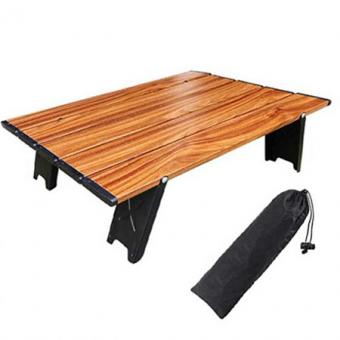
Marca : ANHUI FEISTEL FACTORY Relacionar la fabricación : OEM y ODM Producto : Una mesa de picnic ligera, pequeña y plegable, perfecta para actividades al aire libre. Fabricado con materiales duraderos, es portátil y fácil de configurar.
Marca : FÁBRICA DE ANHUI FEISTEL Relate Manufacturing : OEM y ODM Producto : La silla lunar plegable de hierro metálico liviano personalizada ofrece soporte duradero y comodidad, ideal para acampar al aire libre, con un diseño compacto y portátil para facilitar el transporte y el almacenamiento.
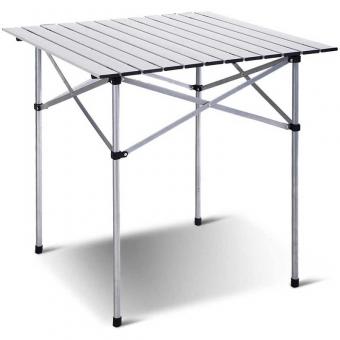
Marca : ANHUI FEISTEL FACTORY Relacionar la fabricación : OEM y ODM Producto : Mesa de picnic enrollable, plegable y portátil para exteriores: diseño de aluminio liviano y duradero con altura ajustable, fácil instalación y bolsa de transporte compacta para acampar, hacer picnics y actividades al aire libre.
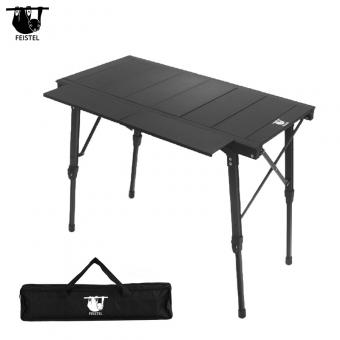
Marca : ANHUI FEISTEL FACTORY Relacionar la fabricación : OEM y ODM Producto : Una mesa de camping IGT BBQ versátil y portátil con patas de altura ajustable. Ideal para cocinar al aire libre, acampar y hacer picnics. Ligero y plegable para facilitar su transporte.
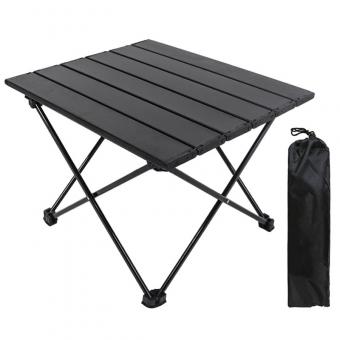
Marca : ANHUI FEISTEL FACTORY Relacionar la fabricación : OEM y ODM Producto : Mesa plegable de aluminio compacta y ligera, perfecta para camping, playa o actividades al aire libre. Fácil de transportar, resistente e ideal para guardar alimentos y bebidas.
Marca : FÁBRICA DE ANHUI FEISTEL Relate Manufacturing : OEM y ODM Producto : Esta silla de madera plegable para acampar presenta un marco resistente, un diseño reclinable ergonómico y una estructura plegable compacta, perfecta para relajarse en la playa, el campamento o el patio trasero.
Marca : FÁBRICA DE ANHUI FEISTEL Relate Manufacturing : OEM y ODM Producto : Esta silla de camping plegable con marco de aluminio para exteriores cuenta con un respaldo ajustable, un diseño liviano pero resistente, que ofrece comodidad portátil para acampar, viajes a la playa, picnics y relajación al aire libre.
Marca : FÁBRICA ANHUI FEISTEL Fabricación relacionada : OEM y ODM Producto : El mini taburete para senderismo y mochileros combina un diseño plegable de tela Oxford duradera con un creativo bolsillo para estuche de lápices, ofreciendo portabilidad, comodidad y practicidad para acampar y aventuras al aire libre
Marca : FÁBRICA DE ANHUI FEISTEL Relate Manufacturing : OEM y ODM Producto : La cama de viaje para dormir con equipo de senderismo al por mayor es una cuna de camping plegable de altura ajustable que ofrece un soporte resistente, fácil portabilidad y un descanso cómodo para aventuras al aire libre.
Marca : ANHUI FEISTEL FACTORY Relacionar la fabricación : OEM y ODM Producto : una cama de camping plegable, portátil, compacta, ultraligera, para exteriores, ideal para mochileros, con un marco duradero, fácil instalación y una práctica bolsa de transporte para viajar.
Boletin informativo
suscríbase a nuestro boletín para recibir noticias, actualizaciones, y ofertas especiales por correo electrónico.