Empuñaduras de corcho vs espuma para bastones de trekking: la comparación definitiva cara a cara
2026-08-21
Cuando estés comprando bastones de trekking, notarás rápidamente dos materiales de agarre dominantes: corcho y espuma EVA. Ambos parecen similares a primera vista, pero funcionan de manera muy diferente en las manos, especialmente durante una larga jornada en el sendero. Esta guía desglosa la ciencia, la sensación, la durabilidad y las condiciones que hacen que cada material destaque, para que puedas elegir el agarre que mantendrá tus manos cómodas y tus bastones firmes durante años.
Cómo el corcho y la espuma gestionan el sudor de manera diferente
La diferencia más importante entre los agarres de corcho y espuma es cómo gestionan la humedad, y este único factor suele determinar qué material es adecuado para ti.
Corcho: el gestor natural de la humedad
El corcho natural contiene aproximadamente 40 millones de células muertas por centímetro cúbico, cada una llena de aire atrapado. Pero la verdadera magia es suberina, un compuesto ceroso incrustado en esas paredes celulares que hace que el corcho sea naturalmente hidrófobo. En lugar de absorber el sudor como una esponja, el corcho difunde la humedad superficial por su superficie para una evaporación rápida.
Esto significa que tu mano permanece más seca porque la humedad se desplaza hacia afuera en lugar de acumularse entre la piel y el mango. El corcho también se vuelve más adherente cuando está húmedo—la fricción de la superficie aumenta realmente con la humedad. Esta es una gran ventaja en descensos pronunciados donde un agarre que se resbala podría provocar un tropiezo.
Espuma: la alternativa de células cerradas
La espuma EVA (acetato de etileno-vinilo) adopta el enfoque contrario. Utiliza una estructura de polímero de celdas cerradas donde el gas queda sellado dentro de cada célula. La superficie es técnicamente resistente al agua, pero en la práctica eso significa que el sudor no tiene dónde ir. Se acumula entre la piel y el agarre, creando una película lubricante que los excursionistas describen como "resbaladiza" o "pegajosa" durante un esfuerzo prolongado en condiciones de alta humedad.
Un usuario del Sendero de los Apalaches lo expresó claramente: "Los mangos de espuma EVA que se sentían tan acolchados en la tienda ahora son una desventaja resbaladiza en un descenso con rocas sueltas".
Comodidad: inmediata frente a largo plazo
El corcho se adapta a tu mano
Una de las cualidades más apreciadas del corcho es su capacidad para comprimirse y moldearse ligeramente a la forma de tu mano con el tiempo. Después de varias caminatas largas, el agarre comienza a ajustarse al contorno único de tu palma, reduciendo los puntos de presión y aumentando la comodidad. Esta es una forma de personalización pasiva que la espuma simplemente no puede replicar: la espuma es estática; siempre se sentirá igual que el día que la compraste.
Los excursionistas que han recorrido muchos kilómetros con corcho hablan de la "pátina del sudor", donde el agarre se oscurece y se alisa después de cientos de kilómetros, creando una superficie personalizada que de hecho mejora la adherencia con el uso.
La espuma ofrece amortiguación instantánea
Los agarres de espuma EVA proporcionan amortiguación suave instantánea sin período de adaptación. Si tienes piel sensible o eres propenso a sufrir ampollas inmediatamente, la suavidad del EVA es una solución instantánea.Los agarres de espuma nuevos tienen una sensación mullida y suave que muchos usuarios encuentran cómoda de inmediato.
Sin embargo, el corcho es la mejor opción, ya que es poco común que estos agarres provoquen ampollas a largo plazo. Los mangos de espuma no absorben la humedad, lo que puede hacer que tus manos se sientan sudorosas.
Rendimiento térmico: calor frente a frío
Corcho tiene baja conductividad térmica—alrededor de 0.040 W/m·K—lo que significa que se mantiene a temperatura neutra tanto si caminas bajo el sol del desierto como si sujetas bastones metálicos fríos en una mañana helada. No se siente frío en invierno ni caliente en verano.
Espuma, en cambio, aísla mejor que el corcho. En una mañana de invierno gélida, los agarres de espuma son notablemente más cálidos al tacto—es menos probable que tus manos sientan el frío a través del agarre. En condiciones frías, los agarres de espuma son más cálidos y suaves para las manos de quienes tienen artritis o palmas sensibles.
Sin embargo, para condiciones calurosas y húmedas, el corcho es el claro ganador. La espuma puede sentirse caliente y pegajosa bajo la luz solar directa, lo que hace incómodo sujetarla.
Peso: el juego de los números
La espuma es significativamente más ligera que el corcho—un agarre de espuma podría pesar 20-30 g menos que un agarre de corcho del mismo tamaño. Para mochileros ultraligeros y corredores de sendero que cuentan cada gramo, esta diferencia importa. En dos bastones, eso supone un ahorro de peso de 40-60 g.
Un fabricante señala que, aunque son idénticos en todo salvo en los agarres, los bastones de EVA pesan 7 oz por bastón mientras que los bastones de corcho pesan 9.5 oz por bastón.
Dicho esto, que los bastones de trekking tengan mangos de corcho no significa automáticamente que serán más pesados en general. La diferencia de peso entre ambos suele ser insignificante en el contexto de un bastón completo.
Durabilidad: ¿cuál dura más?
Los agarres de corcho de alta calidad, cuando se mantienen adecuadamente, pueden durar muchos años. A diferencia de la espuma, que puede dividirse o comprimirse hasta adquirir una forma dura y aplanada, el corcho conserva su integridad y resistencia.
Algunos usuarios han informado experiencias diferentes. Un excursionista señaló que el corcho es "más cómodo pero mucho menos duradero".Otro usuario prefirió el corcho en lugar de la espuma, pero reconoció que "la espuma parece secarse más rápido, es más barata y más duradera."
Sin embargo, Outdoor Gear Lab descubrió que el agarre de corcho de un modelo de bastón era "más duradero que todos los agarres de espuma".
La realidad es que la durabilidad depende en gran medida de la calidad. Las construcciones premium de corcho macizo superan a las mezclas compuestas básicas. La espuma de alta calidad mantiene un rendimiento constante; la espuma de menor calidad puede desarrollar una hendidura permanente con el tiempo.
Impacto ambiental
Corcho es un material renovable y biodegradable. La corteza se cosecha cada 9-12 años sin dañar el árbol, lo que lo convierte en uno de los materiales para actividades al aire libre más sostenibles disponibles. El corcho también es antimicrobiano, evitando el mal olor en travesías de varios días. En viajes largos, eso se traduce en menos colonias de bacterias, menos olor desagradable y nada del olor en el mango que afecta a los agarres sintéticos después de una semana de lluvia.
Espuma es un material sintético derivado del petróleo. Aunque es más barata de fabricar, no ofrece las mismas credenciales ambientales que el corcho natural.
La solución híbrida
Muchos bastones de trekking premium ahora incluyen diseños de agarre híbridos que combinan ambos materiales. Por ejemplo, el Black Diamond Alpine Carbon Cork cuenta con un agarre superior ergonómico de tacto suave con agarre de corcho 100% natural y extensión de agarre de espuma EVA.
Esta configuración te proporciona la comodidad del corcho que absorbe la humedad donde la mano descansa naturalmente, además de la amortiguación ligera de la espuma para agarrar más abajo en terrenos empinados—lo que permite sujetar el bastón más abajo durante los zigzags sin detenerse para ajustar su longitud.
Tabla comparativa cara a cara
Característica
Corcho
Espuma EVA
Gestión de la humedad
★★★★★ (absorbe el sudor, se vuelve adherente cuando está húmedo)
★★ (el sudor se acumula en la superficie, se vuelve resbaladizo)
Ajuste personalizado
★★★★★ (se adapta a la mano con el tiempo)
★ (estático, sin personalización)
Comodidad inicial
★★★ (requiere un periodo de adaptación)
★★★★★ (amortiguación suave instantánea)
Clima frío
★★★★ (neutral a la temperatura)
★★★★★ (aislamiento más cálido)
Clima caluroso
★★★★★ (se mantiene fresco, antideslizante)
★★ (puede sentirse caliente y pegajoso)
Peso
★★★
★★★★★ (20-30 g más ligero por empuñadura)
Durabilidad
★★★★ (depende de la calidad)
★★★ (puede comprimirse con el tiempo)
Precio
★★ (más caro)
★★★★★ (más barato de fabricar)
Impacto ambiental
★★★★★ (renovable, biodegradable)
★★ (sintético a base de petróleo)
Conclusión final
Elige corcho si:
Practicas senderismo en condiciones calurosas y húmedas donde la gestión del sudor es fundamental
Quieres una empuñadura que mejore con el uso y se adapte a tu mano
Valoras los materiales naturales y sostenibles
Eres un senderista de larga distancia que pasa mucho tiempo en el sendero
Elige espuma si:
Priorizas el rendimiento ligero para mochilero ultraligero
Quieres comodidad inmediata sin periodo de adaptación
Practicas senderismo principalmente en condiciones frías y secas donde el aislamiento es importante
Tienes un presupuesto limitado
Como lo resumió un senderista: "Prefiero el corcho sobre la espuma, pero la espuma parece secarse más rápido, es más barata y más duradera. Ambas son buenas y es más una cuestión de preferencia personal."
La empuñadura "adecuada" depende en última instancia de dónde haces senderismo, cuándo lo haces y qué es lo más importante para ti. Si puedes, prueba ambas antes de comprar; tus manos te lo agradecerán.
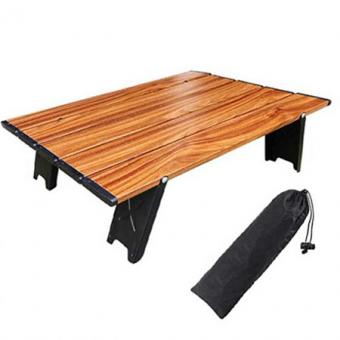
Marca : ANHUI FEISTEL FACTORY Relacionar la fabricación : OEM y ODM Producto : Una mesa de picnic ligera, pequeña y plegable, perfecta para actividades al aire libre. Fabricado con materiales duraderos, es portátil y fácil de configurar.
Marca : FÁBRICA DE ANHUI FEISTEL Relate Manufacturing : OEM y ODM Producto : La silla lunar plegable de hierro metálico liviano personalizada ofrece soporte duradero y comodidad, ideal para acampar al aire libre, con un diseño compacto y portátil para facilitar el transporte y el almacenamiento.
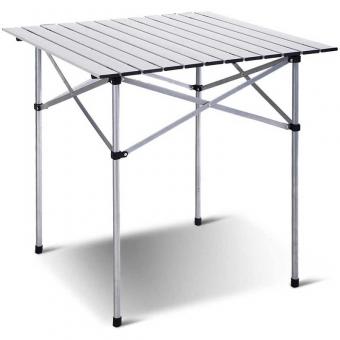
Marca : ANHUI FEISTEL FACTORY Relacionar la fabricación : OEM y ODM Producto : Mesa de picnic enrollable, plegable y portátil para exteriores: diseño de aluminio liviano y duradero con altura ajustable, fácil instalación y bolsa de transporte compacta para acampar, hacer picnics y actividades al aire libre.
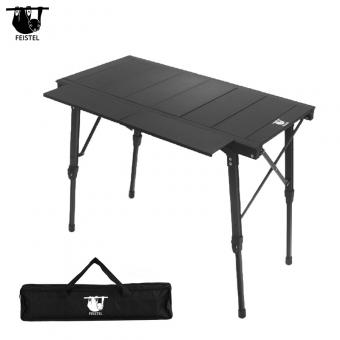
Marca : ANHUI FEISTEL FACTORY Relacionar la fabricación : OEM y ODM Producto : Una mesa de camping IGT BBQ versátil y portátil con patas de altura ajustable. Ideal para cocinar al aire libre, acampar y hacer picnics. Ligero y plegable para facilitar su transporte.
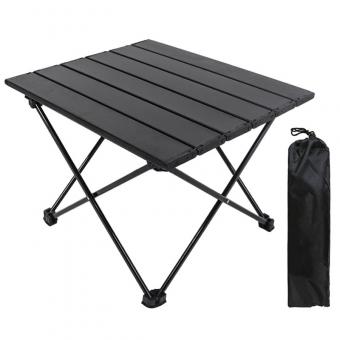
Marca : ANHUI FEISTEL FACTORY Relacionar la fabricación : OEM y ODM Producto : Mesa plegable de aluminio compacta y ligera, perfecta para camping, playa o actividades al aire libre. Fácil de transportar, resistente e ideal para guardar alimentos y bebidas.
Marca : FÁBRICA DE ANHUI FEISTEL Relate Manufacturing : OEM y ODM Producto : Esta silla de madera plegable para acampar presenta un marco resistente, un diseño reclinable ergonómico y una estructura plegable compacta, perfecta para relajarse en la playa, el campamento o el patio trasero.
Marca : FÁBRICA DE ANHUI FEISTEL Relate Manufacturing : OEM y ODM Producto : Esta silla de camping plegable con marco de aluminio para exteriores cuenta con un respaldo ajustable, un diseño liviano pero resistente, que ofrece comodidad portátil para acampar, viajes a la playa, picnics y relajación al aire libre.
Marca : FÁBRICA ANHUI FEISTEL Fabricación relacionada : OEM y ODM Producto : El mini taburete para senderismo y mochileros combina un diseño plegable de tela Oxford duradera con un creativo bolsillo para estuche de lápices, ofreciendo portabilidad, comodidad y practicidad para acampar y aventuras al aire libre
Marca : FÁBRICA DE ANHUI FEISTEL Relate Manufacturing : OEM y ODM Producto : La cama de viaje para dormir con equipo de senderismo al por mayor es una cuna de camping plegable de altura ajustable que ofrece un soporte resistente, fácil portabilidad y un descanso cómodo para aventuras al aire libre.
Marca : ANHUI FEISTEL FACTORY Relacionar la fabricación : OEM y ODM Producto : una cama de camping plegable, portátil, compacta, ultraligera, para exteriores, ideal para mochileros, con un marco duradero, fácil instalación y una práctica bolsa de transporte para viajar.
Boletin informativo
suscríbase a nuestro boletín para recibir noticias, actualizaciones, y ofertas especiales por correo electrónico.