Las mejores tiendas de campaña para 4 personas para acampar en días de lluvia: qué ofrecen realmente la columna de agua y las costuras selladas.
2026-03-26
Imagínate esto: Llevas meses planeando el viaje de acampada familiar perfecto. Llegas al camping, montas la tienda y te preparas para una velada acogedora. De repente, se nubla, el viento arrecia y empieza a llover. En cuestión de horas, notas un goteo lento —y luego otro— que se filtra por las costuras de la tienda. Los sacos de dormir se están humedeciendo. Los niños se impacientan. Tu escapada cuidadosamente planeada se está convirtiendo en un desastre empapado.
Esta situación se repite cada año en los campings, y la causa casi siempre es una de dos: una presión hidrostática insuficiente o juntas mal selladas. Al acampar en condiciones de lluvia, comprender qué ofrecen realmente estas especificaciones técnicas puede marcar la diferencia entre un descanso seco y confortable y una noche miserable bajo la lluvia.
Esta guía elimina la jerga de marketing para explicar exactamente qué significan la columna de agua y las costuras selladas para tu tienda de campaña de 4 personas, ayudándote a elegir un refugio que mantendrá a tu familia seca cuando el tiempo empeore.
Presión hidrostática: El estándar de protección contra la lluvia
La clasificación de la columna de agua es la principal medida que utiliza la industria para evaluar la impermeabilidad de una tienda de campaña. Pero, ¿qué nos indica realmente ese número (ya sean 600 mm, 3000 mm o 5000 mm) sobre el rendimiento de la tienda bajo la lluvia?
Qué significan las cifras
La impermeabilidad de una tienda de campaña se mide en milímetros y se refiere a la altura de la columna de agua que el tejido puede soportar antes de que se produzcan filtraciones.
La prueba consiste en colocar una muestra de tela bajo un tubo de agua y medir hasta qué altura puede subir la columna de agua antes de que la tela comience a tener fugas. Una clasificación de 3000 mm significa que la tela puede resistir una columna de agua de 3000 milímetros (aproximadamente 9,8 pies) durante más de 24 horas sin tener fugas.
.
El Ministerio de Defensa británico clasifica como impermeables los tejidos con una columna de agua de 800 mm o más.
Pero para acampar con seguridad bajo lluvias continuas, es fundamental contar con clasificaciones más altas. A continuación, se muestra una comparación entre las diferentes clasificaciones:
Clasificación
Nivel de rendimiento
Adecuado para
600–1500 mm
Protección contra lluvia ligera
Acampada en buen tiempo, climas secos
2000–3000 mm
Lluvias moderadas a intensas
Acampada durante tres estaciones, escapadas de fin de semana
4000–5000 mm
Lluvias intensas y tormentas
Viajes prolongados, lugares expuestos
5000 mm+
Condiciones climáticas extremas
Condiciones alpinas, acampada durante todo el año.
Qué ofrece cada calificación en la práctica
600–1000 mm: Protección básica
Tiendas de campaña como la Coleman Sundome 4, con una columna de agua de 600 mm.
Ofrecen una protección mínima contra la lluvia. Si bien técnicamente se clasifican como impermeables, estas características son más adecuadas para condiciones secas o lluvias muy ligeras. Con lluvia continua, el tejido acabará saturándose y goteando.
2000 mm: Protección moderada sólida
Una columna de agua de 2000 mm, como la que se encuentra en la Robens Venturer 4 LW, ofrece una protección fiable para acampar en las tres estaciones típicas.
Este modelo soporta lluvias moderadas y aguaceros ocasionales sin problemas. El Venturer 4 LW combina su lona exterior de 2000 mm con un robusto suelo de 5000 mm, lo que garantiza protección donde la humedad del suelo es más importante.
.
3000 mm: El punto óptimo para acampar en días de lluvia.
Para las familias que acampan con regularidad en condiciones húmedas, una clasificación de 3000 mm se considera ampliamente el estándar mínimo para una protección fiable.
Tiendas de campaña de este nivel, como la tienda de campaña Trail Bracken para 4 personas (para festivales).
o Coleman Cook 4
, soportan con confianza la lluvia persistente, la humedad arrastrada por el viento e incluso la acumulación leve de agua.
La lona exterior de 3000 mm de la Trail Bracken, combinada con su construcción de doble capa y costuras selladas, ofrece lo que el fabricante denomina "una protección superior contra la lluvia", suficiente para que "no haya ninguna posibilidad de que un aguacero arruine tu viaje de acampada".
.
4000–5000 mm: Perspectiva meteorológica ampliada
Para familias que planean viajes largos o acampar en regiones expuestas, montañosas o con lluvias constantes, una clasificación de 4000–5000 mm proporciona un margen de seguridad adicional. La Coleman Vail 4 Long cuenta con una columna de agua de 4000 mm.
Mientras que la tienda de campaña inflable Brazen para 4 personas alcanza los 5000 mm, diseñada específicamente para mantener secos a los ocupantes durante "lluvias intensas y perfecta para acampar durante todo el año".
.
Costuras selladas: tu segunda línea de defensa
Incluso una tienda de campaña con una columna de agua de 5000 mm puede tener fugas si las costuras no están bien selladas. A continuación, te explicamos por qué las costuras son importantes y qué beneficios ofrecen los diferentes tratamientos para costuras.
¿Por qué las costuras son vulnerables?
Cada puntada de tu tienda crea un agujero de aguja, una pequeña perforación a través de la tela impermeable.
En una tienda de campaña típica, hay miles de estas aberturas microscópicas a lo largo de las costuras. Sin protección, el agua encontrará estos puntos de entrada durante la lluvia, utilizando la acción capilar para abrirse paso hacia el interior.
.
Sellado de juntas con cinta adhesiva vs. sellado de juntas
Los fabricantes utilizan dos métodos principales para abordar esta vulnerabilidad, y comprender la diferencia le ayudará a evaluar lo que realmente está adquiriendo.
Sellado de costuras
Es un proceso aplicado en fábrica donde se coloca una película de poliuretano sobre las costuras para bloquear cualquier agua que pueda entrar por los orificios de la aguja.
Maquinaria especializada aplica calor y presión para adherir la cinta a la tela, creando una barrera impermeable permanente. Cuando se realiza correctamente, la cinta es prácticamente invisible a simple vista.
.
La Robens Venturer 4 LW, por ejemplo, especifica “costuras selladas” como una característica clave.
Esta aplicación de fábrica significa que la tienda llega preparada para condiciones de lluvia sin necesidad de trabajo adicional.
Sellado de juntas
Consiste en aplicar un sellador líquido, que es esencialmente una capa de pegamento, a través de las juntas.
Esto se puede hacer en la fábrica o por el usuario como medida de mantenimiento. El sellador de costuras se filtra en los orificios de las costuras, creando una barrera impermeable que se cura con el tiempo.
.
Algunas tiendas de campaña, en particular las fabricadas con tejidos recubiertos de silicona, no pueden sellarse las costuras en fábrica debido a la superficie resbaladiza.
En estos casos, se requiere el sellado de las juntas en fábrica o la aplicación de un sellador por parte del usuario.
Qué buscar
Al evaluar una tienda de campaña para 4 personas para acampar en días de lluvia:
Costuras totalmente selladas
Esto indica que todas las costuras principales, incluidas las del doble techo y el suelo, han sido selladas en fábrica. Este es el estándar de oro en cuanto a impermeabilidad.
Costuras selladas con cinta adhesiva
Esto significa que solo se sellan las costuras más vulnerables (normalmente en el doble techo), mientras que otras pueden quedar sin tratar. Esto es aceptable para acampar con buen tiempo, pero menos fiable con lluvia persistente.
Se requiere sellado de juntas
Esto significa que la tienda viene con sellador e instrucciones, y que usted mismo debe aplicarlo antes de usarla.
La Trail Bracken 4 especifica “costuras selladas duraderas” como parte de su paquete de protección contra la lluvia.
, mientras que el Coleman Sundome 4 indica “costuras selladas” en sus especificaciones.
.
Más allá de las cifras: lo que requiere una protección impermeable completa
La presión hidrostática y las costuras selladas son fundamentales, pero no lo son todo. Una tienda de campaña para 4 personas realmente preparada para la intemperie combina múltiples elementos de protección.
Construcción del piso de la bañera
El suelo de una tienda de campaña de calidad para días de lluvia se extiende varios centímetros hacia arriba por los laterales, un diseño conocido como "suelo de bañera".
Esta estructura sin juntas, en forma de cuenco, impide que el agua penetre por las juntas del suelo y evita que se acumule en el interior, incluso en terrenos irregulares o húmedos.
.
La Robens Venturer 4 LW ejemplifica este enfoque con un piso de carga hidrostática de 5000 mm, sustancialmente más alto que su lona exterior de 2000 mm, lo que garantiza la protección contra la humedad del suelo.
.
Solapas impermeables sobre las cremalleras
Las cremalleras son puntos débiles naturales para la entrada de agua.
.
Tiendas de campaña de calidad
Incorporan solapas protectoras contra la lluvia: cubiertas de tela que se superponen a la cremallera, protegiéndola de la lluvia directa. Combinada con cremalleras resistentes al agua, esta característica reduce significativamente las filtraciones durante los aguaceros.
.
Construcción de doble piel
Las tiendas de campaña de doble capa —aquellas con una cubierta exterior y una tienda interior separadas— ofrecen una protección superior contra la lluvia. La capa exterior repele el agua, mientras que la interior proporciona ventilación y gestiona la condensación. La Trail Bracken 4 se describe específicamente como de «doble capa para una mayor protección contra la lluvia».
.
Cuerdas de sujeción para la estabilidad ante el viento
En condiciones de lluvia, el viento suele acompañar a la precipitación. Una tienda de campaña que se balancea y aletea con el viento ejerce presión sobre las costuras y puede permitir la entrada de agua. Busque tiendas de campaña con vientos preinstalados que mejoren la estabilidad torsional.
La tienda de campaña Brazen Air Tent cuenta con un sistema avanzado de vientos donde "cada viento se conecta a múltiples puntos para una máxima estabilidad torsional".
.
Basándonos en las especificaciones y las consideraciones prácticas que hemos comentado anteriormente, aquí presentamos cuatro opciones destacadas para familias que acampan en condiciones húmedas:
Modelo de tienda de campaña
Presión hidrostática
Construcción de costuras
Características principales
Lo mejor para
Robens Venturer 4 LW
Lona de 2000 mm / Suelo de 5000 mm
Costuras selladas
Diseño tipi, resistencia al viento de 113 km/h, 2,99 kg
Campistas preocupados por el peso que necesitan una protección sólida
Sendero Bracken 4
3000 mm
Costuras selladas
Dormitorio de la Zona Oscura, porche delantero, 4 kg
Festival y acampada de fin de semana con lluvia moderada
Coleman Vail 4 Long
4000 mm
Sellado de fábrica
Dos dormitorios separados, vestíbulo grande, 16 kg
Familias que buscan espacio y protección confiable contra tormentas.
Tienda de aire inflable Brazen
5000 mm
Sellado de fábrica
Postes de aire inflables, sistema de sujeción AGS, altura de pie
Acampada durante todo el año en condiciones constantemente húmedas.
Mantener el rendimiento impermeable
Incluso la mejor tienda de campaña requiere cuidados para mantener su impermeabilidad. Aquí te explicamos cómo asegurarte de que tu inversión siga funcionando a la perfección.
Antes del primer uso
Algunas tiendas de campaña requieren que se les sellen las costuras antes de su primer uso.
Si su tienda de campaña indica en sus especificaciones que se requiere sellado de costuras, aplique sellador a todas las costuras expuestas siguiendo las instrucciones del fabricante.
Mantenimiento regular
La cinta de sellado puede degradarse con el tiempo debido a la exposición a los rayos UV y al desgaste general.
Inspeccione las costuras de su tienda anualmente, buscando cinta adhesiva despegada, agrietada o descascarada. Si observa algún daño, aplique sellador de costuras en las áreas afectadas.
.
Limpieza y almacenamiento
Limpia tu tienda de campaña con agua y jabón suave, evitando detergentes que puedan eliminar los revestimientos impermeables.
Nunca guardes una tienda de campaña húmeda; el moho y los hongos comprometerán la integridad de la tela y su impermeabilidad. Guárdala en un lugar fresco y seco, sin apretar demasiado las costuras para evitar que se arruguen.
.
En resumen: ¿Qué es lo que realmente funciona?
Cuando leas las especificaciones de una tienda de campaña para 4 personas que vaya a estar expuesta a lluvias intensas, fíjate en estos tres elementos:
Presión hidrostática de al menos 3000 mm
para una protección fiable durante tres estaciones, o 4000 mm+ para una mayor tranquilidad en condiciones de lluvia prolongada.
Costuras totalmente selladas
Aplicado en la fábrica: esto no es negociable para una tienda de campaña que estará expuesta a lluvias continuas.
Construcción del piso de la bañera
con una clasificación de impermeabilidad igual o superior a la de la lona exterior.
Estas especificaciones, combinadas con una instalación adecuada (anclar la tienda al suelo, tensar el toldo y elegir un lugar de acampada con buen drenaje), proporcionan un refugio seco y confortable que hace que acampar bajo la lluvia sea una experiencia memorable por las razones correctas.
Una tienda de campaña de 3000 mm con costuras selladas no solo resistirá un aguacero, sino que mantendrá a tu familia seca mientras la lluvia cae suavemente sobre sus cabezas. Eso es lo que ofrecen estas especificaciones: no solo números en una etiqueta, sino tranquilidad ante los cambios de tiempo.
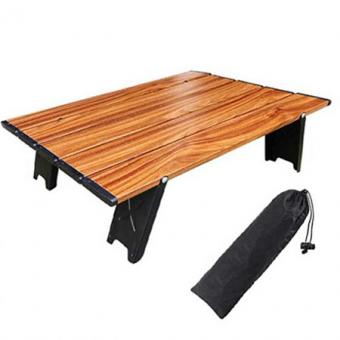
Marca : ANHUI FEISTEL FACTORY Relacionar la fabricación : OEM y ODM Producto : Una mesa de picnic ligera, pequeña y plegable, perfecta para actividades al aire libre. Fabricado con materiales duraderos, es portátil y fácil de configurar.
Marca : FÁBRICA DE ANHUI FEISTEL Relate Manufacturing : OEM y ODM Producto : La silla lunar plegable de hierro metálico liviano personalizada ofrece soporte duradero y comodidad, ideal para acampar al aire libre, con un diseño compacto y portátil para facilitar el transporte y el almacenamiento.
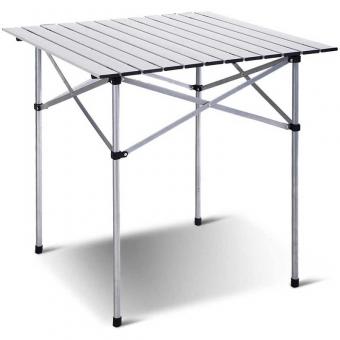
Marca : ANHUI FEISTEL FACTORY Relacionar la fabricación : OEM y ODM Producto : Mesa de picnic enrollable, plegable y portátil para exteriores: diseño de aluminio liviano y duradero con altura ajustable, fácil instalación y bolsa de transporte compacta para acampar, hacer picnics y actividades al aire libre.
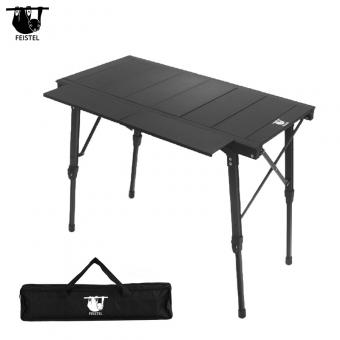
Marca : ANHUI FEISTEL FACTORY Relacionar la fabricación : OEM y ODM Producto : Una mesa de camping IGT BBQ versátil y portátil con patas de altura ajustable. Ideal para cocinar al aire libre, acampar y hacer picnics. Ligero y plegable para facilitar su transporte.
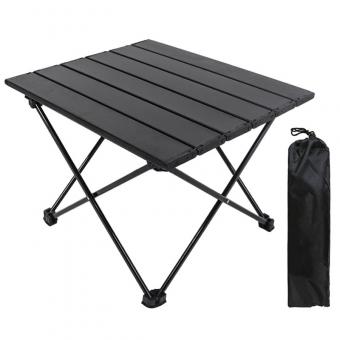
Marca : ANHUI FEISTEL FACTORY Relacionar la fabricación : OEM y ODM Producto : Mesa plegable de aluminio compacta y ligera, perfecta para camping, playa o actividades al aire libre. Fácil de transportar, resistente e ideal para guardar alimentos y bebidas.
Marca : FÁBRICA DE ANHUI FEISTEL Relate Manufacturing : OEM y ODM Producto : Esta silla de madera plegable para acampar presenta un marco resistente, un diseño reclinable ergonómico y una estructura plegable compacta, perfecta para relajarse en la playa, el campamento o el patio trasero.
Marca : FÁBRICA DE ANHUI FEISTEL Relate Manufacturing : OEM y ODM Producto : Esta silla de camping plegable con marco de aluminio para exteriores cuenta con un respaldo ajustable, un diseño liviano pero resistente, que ofrece comodidad portátil para acampar, viajes a la playa, picnics y relajación al aire libre.
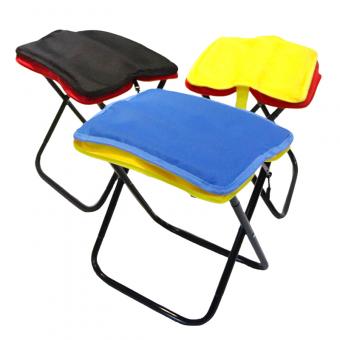
Marca : FÁBRICA ANHUI FEISTEL Fabricación relacionada : OEM y ODM Producto : El mini taburete para senderismo y mochileros combina un diseño plegable de tela Oxford duradera con un creativo bolsillo para estuche de lápices, ofreciendo portabilidad, comodidad y practicidad para acampar y aventuras al aire libre
Marca : FÁBRICA DE ANHUI FEISTEL Relate Manufacturing : OEM y ODM Producto : La cama de viaje para dormir con equipo de senderismo al por mayor es una cuna de camping plegable de altura ajustable que ofrece un soporte resistente, fácil portabilidad y un descanso cómodo para aventuras al aire libre.
Marca : ANHUI FEISTEL FACTORY Relacionar la fabricación : OEM y ODM Producto : una cama de camping plegable, portátil, compacta, ultraligera, para exteriores, ideal para mochileros, con un marco duradero, fácil instalación y una práctica bolsa de transporte para viajar.
Boletin informativo
suscríbase a nuestro boletín para recibir noticias, actualizaciones, y ofertas especiales por correo electrónico.