Oxford 600D vs. Poliéster 210T: ¿Qué tejido produce la manta de playa más impermeable?
2026-03-16
Un día en la playa debería ser para relajarse, no para sentarse en arena húmeda que empapa la manta en cuestión de minutos. La clave para mantenerse seco reside en comprender las especificaciones del tejido que distinguen las mantas de playa mediocres de las verdaderamente impermeables. Dos materiales dominan el mercado:
Tejido Oxford 600D
y
poliéster 210T
Pero, ¿cuál de ellos te mantiene más seco?
Esta guía completa descifra las diferencias técnicas entre estos tejidos, examina cómo logran ser impermeables y te ayuda a elegir la manta de playa perfecta para tus aventuras costeras.
Comprensión de las especificaciones: 600D frente a 210T
Antes de comparar el rendimiento, es fundamental comprender qué significan realmente estas cifras.
¿Qué significa 600D?
La "D" en 600D significa
Denier
, una unidad de medida que describe la densidad de masa lineal de las fibras. Un mayor denier indica hilos más gruesos, más pesados y, en general, más duraderos.
El tejido Oxford 600D utiliza fibras que pesan 600 gramos por cada 9.000 metros de longitud, lo que lo sitúa en la categoría de peso medio a pesado.
Características principales del tejido Oxford 600D:
Construcción más gruesa y robusta
Excelente resistencia a la abrasión
Sensación y estructura sustanciales
Su peso típico es de 180 a 230 gramos por metro cuadrado (con recubrimiento).
¿Qué significa 210T?
La "T" en 210T significa
Número de hilos
—específicamente, el número total de hilos por pulgada cuadrada (urdimbre más trama). 210T indica una tela con aproximadamente 210 hilos por pulgada cuadrada, lo que se considera una densidad de hilos media a alta para telas sintéticas.
.
Características clave del poliéster 210T:
Construcción más fina y de tejido más apretado.
Más ligero y más flexible
Textura de superficie más lisa
Suele pesar entre 50 y 80 gramos por metro cuadrado.
Cómo funciona la impermeabilización en las mantas de playa
La impermeabilización de las mantas de playa proviene de dos fuentes: las propiedades naturales del tejido base y los revestimientos o laminados aplicados.
Propiedades del tejido base
Poliéster
El tejido —utilizado tanto en la confección Oxford 600D como en la 210T— es naturalmente hidrófobo (repelente al agua) hasta cierto punto. Sin embargo, la densidad del tejido influye significativamente en la penetración del agua. Los tejidos de trama cerrada resisten mejor el agua que los de trama suelta, por lo que el número de hilos es importante en los tejidos 210T.
.
Tecnologías de recubrimiento
La mayoría de las mantas de playa impermeables incorporan capas de protección adicionales:
Soporte de PEVA (acetato de polietileno y vinilo)
Vinilo ecológico y sin cloro que crea una barrera completa contra la humedad. Productos como la manta iMounTEK combinan Oxford 600D con un revestimiento de PEVA para una protección "totalmente impermeable y a prueba de arena".
.
Recubrimiento de PU (poliuretano)
Aplicado a la superficie del tejido, el revestimiento de PU añade resistencia al agua sin comprometer la flexibilidad. La funda para silla de playa Farfy utiliza tejido Oxford 600D con revestimiento de PU que «soporta una presión de agua de 10000 Pa».
.
Laminación vs. Recubrimiento
La laminación adhiere una película impermeable a la tela, mientras que el recubrimiento impregna la superficie de la misma. La laminación generalmente ofrece una impermeabilización más duradera, pero puede afectar la transpirabilidad.
Mantas de playa Oxford 600D: La opción más resistente.
Construcción y durabilidad
El tejido Oxford 600D es conocido por su gran durabilidad. Su mayor denier crea un tejido que resiste desgarros, perforaciones y abrasión, algo esencial para entornos de playa donde la arena actúa como un abrasivo.
Productos como la manta SKY-TOUCH destacan específicamente la "durabilidad de la fibra Oxford 600D" como un punto clave de venta.
.
Rendimiento de impermeabilización
Combinado con el soporte adecuado, el tejido Oxford 600D ofrece una protección excepcional contra la humedad:
Modelos con respaldo de PEVA
La manta iMounTEK utiliza Oxford 600D con revestimiento de PEVA, clasificado explícitamente como "100% impermeable" para proteger de la arena, la suciedad, el barro y la hierba mojada.
Variantes recubiertas de PU
La funda para silla de playa Farfy está fabricada con tejido Oxford 600D con revestimiento interior de PU que "bloquea el 98% de los rayos UV" a la vez que mantiene su impermeabilidad gracias a sus costuras selladas.
Opciones con respaldo de PVC
Algunos fabricantes combinan Oxford 600D con PVC para lograr la máxima impermeabilidad, aunque esto añade peso y reduce la flexibilidad.
Peso y portabilidad
La desventaja de la durabilidad del 600D es el peso. Un ejemplo típico
Manta de playa Oxford 600D
pesa aproximadamente
1,2 libras (550 g)
y se pliega a dimensiones de alrededor de
24×18×6 cm
Aunque sigue siendo portátil, es considerablemente más pesado que las alternativas ultraligeras.
Mejores aplicaciones
Las mantas de playa Oxford 600D son excelentes para:
Viajes familiares a la playa que requieren gran resistencia.
Situaciones con conchas afiladas o terreno rocoso
Uso prolongado donde la resistencia a la abrasión es importante.
Usuarios que priorizan la durabilidad sobre la portabilidad ultraligera
El poliéster 210T presenta un tejido más fino y denso que las telas más gruesas. Su alto número de hilos crea una superficie lisa y resistente a la arena. Productos como la manta JAMIEWIN utilizan poliéster 210T específicamente porque "puede prevenir eficazmente la entrada de arena y agua".
.
Sin embargo, el tejido 210T es notablemente más fino que el Oxford 600D. Las reseñas de los usuarios indican que algunas mantas 210T se sienten "muy finas" o como "un trozo grande de plástico".
La manta XUNIVERS logra un impresionante
Peso total: 320 g
Para un tamaño de 200 × 210 cm, pesa menos de un tercio que las opciones comparables de 600D.
.
Rendimiento de impermeabilización
Las mantas de poliéster 210T logran la impermeabilidad mediante:
construcción de tejido apretado
La alta densidad de hilos crea una resistencia natural al agua al reducir los espacios entre las fibras. La manta DEWUR utiliza un tejido especial de poliéster 210T descrito como impermeable, duradero, sin arrugas, inocuo, inodoro y resistente a la humedad.
.
Propiedades de secado rápido
El poliéster 210T se seca rápidamente; la manta DEWUR se caracteriza específicamente por ser de secado rápido y lavable a máquina.
Esto lo hace práctico para pasar varios días en la playa sin que quede humedad persistente.
Recubrimientos DWR
Muchas mantas de 210T reciben tratamientos hidrófugos duraderos que mejoran la hidrofobicidad de la superficie, haciendo que el agua forme gotas y se deslice.
Ventajas de la portabilidad
La principal ventaja del poliéster 210T es su facilidad de empaquetado:
Los paquetes de mantas XUNIVERS
19×11×5 cm
—más pequeño que un teléfono inteligente
La manta JAMIEWIN pesa solo
11,5 oz (325 g)
y se pliega a
6,3 × 7,9 pulgadas
La manta DEWUR se pliega a
25×17 cm
a pesar de su enorme tamaño de 300×290 cm
Mejores aplicaciones
Las mantas de poliéster 210T son excelentes para:
Senderismo y excursionismo donde el peso importa
Viajeros solitarios y viajeros minimalistas
Situaciones que requieren empacar/desempacar con frecuencia
Usuarios que priorizan la portabilidad sobre la máxima durabilidad
Comparación directa: Oxford 600D vs. Poliéster 210T
Propiedad
Oxford 600D
Poliéster 210T
Grosor de la fibra
Pesado (600 denier)
Fino (según el número de hilos)
Peso típico
1,2 libras (550 g)+
0,7–1,1 libras (320–500 g)
Tamaño del paquete
9,5 × 7 × 2,4 pulgadas
7,5 × 4 × 2 pulgadas (típico)
Durabilidad
Excelente: resistente a desgarros y abrasión.
Moderado: el material más delgado requiere cuidado.
Método impermeable
Soporte de PEVA/PVC o recubrimiento de PU
Tejido tupido + tratamiento DWR
Clasificación de impermeabilidad
Presión hidrostática de hasta 10 000 Pa
Moderado: eficaz para humedad ligera.
Resistencia a la arena
Bueno: la superficie repele la arena.
Excelente: acabado ultrasuave
Mejor caso de uso
Playas familiares, terreno accidentado
Viajes, mochileros, ultraligero
Esperanza de vida típica
Más de 5 años con cuidados
2-3 años con uso moderado
Rendimiento en el mundo real: lo que informan los usuarios.
Experiencia Oxford 600D
Los usuarios elogian constantemente las mantas Oxford 600D por su durabilidad y su impermeabilidad fiable. La combinación de Oxford 600D y revestimiento de PEVA de la manta iMounTEK recibe comentarios positivos por mantener a los usuarios secos en arena húmeda.
Su construcción más robusta hace que estas mantas permanezcan en su sitio incluso en condiciones de viento, sin aletear en exceso.
Sin embargo, algunos usuarios señalan que las mantas Oxford 600D son más voluminosas para transportar y requieren más esfuerzo para doblarlas y guardarlas en sus bolsas de almacenamiento.
.
Experiencia con poliéster 210T
Las reseñas de las mantas de poliéster 210T destacan su extraordinaria capacidad de plegado. Un usuario de JAMIEWIN la describió como "aproximadamente del tamaño de una botella mezcladora de batidos de proteínas de 473 ml" cuando está plegada.
Sus propiedades para repeler la arena reciben elogios especiales: los usuarios confirman que "la arena simplemente se desliza".
.
Sin embargo, en las reseñas aparecen preocupaciones sobre su durabilidad. Un usuario de DEWUR informó que "después del quinto uso perdió su función impermeable y el agua se filtra".
Otro describió el material como "plástico muy fino".
Estas experiencias sugieren que, si bien el poliéster 210T ofrece un buen rendimiento inicialmente, su durabilidad puede ser limitada en comparación con tejidos más gruesos.
Prueba crítica de impermeabilización
Una reseña de un cliente destaca la diferencia práctica: un usuario informó que, tras un uso limitado, su manta 210T "ha perdido su función impermeable y el agua se filtra" al colocarla sobre césped húmedo.
Esta experiencia subraya que, si bien el poliéster 210T puede ser inicialmente impermeable, la durabilidad de esa protección puede no ser comparable a la de tejidos más gruesos con capas de refuerzo robustas.
El papel de los materiales de soporte
Ambos tipos de tejido logran la máxima impermeabilidad gracias a capas de refuerzo adicionales:
Soporte de PEVA
Común con Oxford 600D
Crea una barrera completa contra la humedad.
Fácil de limpiar con un paño húmedo.
Añade algo de peso, pero un volumen mínimo.
Recubrimiento de poliuretano
Se puede usar con ambos tipos de tela.
Mantiene la flexibilidad del tejido
Puede alcanzar altos valores de presión hidrostática (10.000 Pa).
Puede degradarse con el tiempo debido a lavados repetidos.
Soporte de PVC
Máxima protección impermeable
Más pesado y menos flexible
Altamente duradero
Menos respetuoso con el medio ambiente
Cómo tomar una decisión: Marco de decisión
Elija Oxford 600D si:
Priorizas la durabilidad sobre el peso.
Las familias con niños, los asiduos a la playa y quienes utilizan mantas en terrenos irregulares apreciarán su resistencia al desgarro y su durabilidad.
Quieres una impermeabilización garantizada.
La combinación de tejido Oxford grueso con revestimiento de PEVA o PU proporciona una protección fiable contra la humedad que dura.
.
No te importa el peso extra.
Con un peso aproximado de 1,2 libras, estas mantas siguen siendo portátiles, pero son notablemente más pesadas que las alternativas ultraligeras.
Elija poliéster 210T si:
Cada gramo cuenta.
Los mochileros, excursionistas y viajeros que transportan equipo a largas distancias apreciarán el peso de 320 g de opciones como la manta XUNIVERS.
.
Viajas ligero y con frecuencia.
Gracias a sus dimensiones compactas, del tamaño de un teléfono inteligente, estas mantas desaparecen en cualquier bolso.
Usted comprende la disyuntiva en cuanto a durabilidad.
El poliéster 210T ofrece un rendimiento excelente cuando es nuevo, pero puede requerir un manejo más cuidadoso y un reemplazo antes que los tejidos más gruesos.
.
Consejos de mantenimiento para una impermeabilización duradera
Sea cual sea el tejido que elija, un cuidado adecuado prolongará su impermeabilidad:
Para tela Oxford 600D con respaldo de PEVA/PVC:
Limpiar con un paño húmedo; el lavado a máquina puede dañar el reverso.
Secar bien antes de guardar para evitar la formación de moho.
Evite doblar repetidamente en el mismo lugar para evitar daños por arrugas.
Para poliéster 210T:
Lavar a máquina en ciclo delicado con agua fría.
Secar al aire o en secadora a baja temperatura; el calor excesivo daña los revestimientos.
Vuelva a aplicar el spray DWR periódicamente para restaurar el efecto hidrófugo.
El veredicto sobre las mantas de playa impermeables
La pregunta "¿Oxford 600D frente a poliéster 210T?" no tiene una única respuesta correcta; depende totalmente de tus prioridades.
Tejido Oxford 600D
Ofrece una durabilidad superior, impermeabilidad de larga duración y un rendimiento fiable para viajes familiares a la playa y entornos difíciles. Cuando se combina con un revestimiento de PEVA o PU, crea una barrera contra la humedad que resiste el uso repetido y mantiene su integridad durante años.
.
poliéster 210T
Ofrece una portabilidad excepcional y propiedades que repelen la arena en un diseño ultraligero. Para viajeros, mochileros y quienes priorizan la facilidad de transporte, es una excelente opción, siempre y cuando se tenga en cuenta que su construcción ligera podría no ofrecer la misma durabilidad que alternativas más pesadas.
.
Para encontrar la manta de playa impermeable perfecta, busca productos que combinen lo mejor de ambos mundos: tejido resistente con un forro robusto, confección de calidad y un diseño que se adapte a tu estilo de vida playero. Tanto si eliges la robustez del Oxford 600D como la ligereza del poliéster 210T, conocer estas especificaciones te garantizará mantenerte seco, cómodo y libre de arena en tu próxima aventura costera.
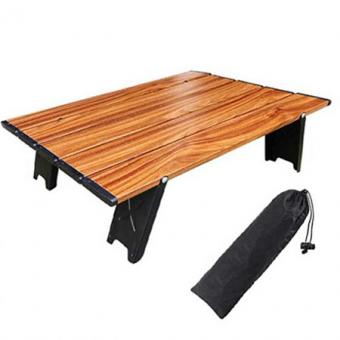
Marca : ANHUI FEISTEL FACTORY Relacionar la fabricación : OEM y ODM Producto : Una mesa de picnic ligera, pequeña y plegable, perfecta para actividades al aire libre. Fabricado con materiales duraderos, es portátil y fácil de configurar.
Marca : FÁBRICA DE ANHUI FEISTEL Relate Manufacturing : OEM y ODM Producto : La silla lunar plegable de hierro metálico liviano personalizada ofrece soporte duradero y comodidad, ideal para acampar al aire libre, con un diseño compacto y portátil para facilitar el transporte y el almacenamiento.
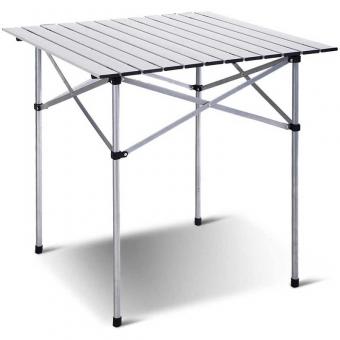
Marca : ANHUI FEISTEL FACTORY Relacionar la fabricación : OEM y ODM Producto : Mesa de picnic enrollable, plegable y portátil para exteriores: diseño de aluminio liviano y duradero con altura ajustable, fácil instalación y bolsa de transporte compacta para acampar, hacer picnics y actividades al aire libre.
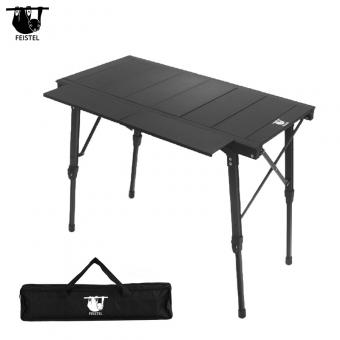
Marca : ANHUI FEISTEL FACTORY Relacionar la fabricación : OEM y ODM Producto : Una mesa de camping IGT BBQ versátil y portátil con patas de altura ajustable. Ideal para cocinar al aire libre, acampar y hacer picnics. Ligero y plegable para facilitar su transporte.
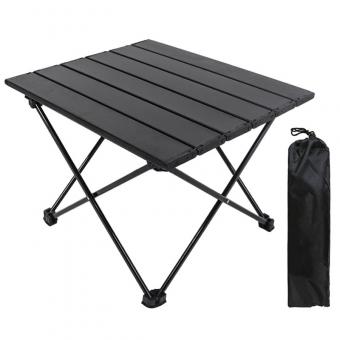
Marca : ANHUI FEISTEL FACTORY Relacionar la fabricación : OEM y ODM Producto : Mesa plegable de aluminio compacta y ligera, perfecta para camping, playa o actividades al aire libre. Fácil de transportar, resistente e ideal para guardar alimentos y bebidas.
Marca : FÁBRICA DE ANHUI FEISTEL Relate Manufacturing : OEM y ODM Producto : Esta silla de madera plegable para acampar presenta un marco resistente, un diseño reclinable ergonómico y una estructura plegable compacta, perfecta para relajarse en la playa, el campamento o el patio trasero.
Marca : FÁBRICA DE ANHUI FEISTEL Relate Manufacturing : OEM y ODM Producto : Esta silla de camping plegable con marco de aluminio para exteriores cuenta con un respaldo ajustable, un diseño liviano pero resistente, que ofrece comodidad portátil para acampar, viajes a la playa, picnics y relajación al aire libre.
Marca : FÁBRICA ANHUI FEISTEL Fabricación relacionada : OEM y ODM Producto : El mini taburete para senderismo y mochileros combina un diseño plegable de tela Oxford duradera con un creativo bolsillo para estuche de lápices, ofreciendo portabilidad, comodidad y practicidad para acampar y aventuras al aire libre
Marca : FÁBRICA DE ANHUI FEISTEL Relate Manufacturing : OEM y ODM Producto : La cama de viaje para dormir con equipo de senderismo al por mayor es una cuna de camping plegable de altura ajustable que ofrece un soporte resistente, fácil portabilidad y un descanso cómodo para aventuras al aire libre.
Marca : ANHUI FEISTEL FACTORY Relacionar la fabricación : OEM y ODM Producto : una cama de camping plegable, portátil, compacta, ultraligera, para exteriores, ideal para mochileros, con un marco duradero, fácil instalación y una práctica bolsa de transporte para viajar.
Boletin informativo
suscríbase a nuestro boletín para recibir noticias, actualizaciones, y ofertas especiales por correo electrónico.